
-
×
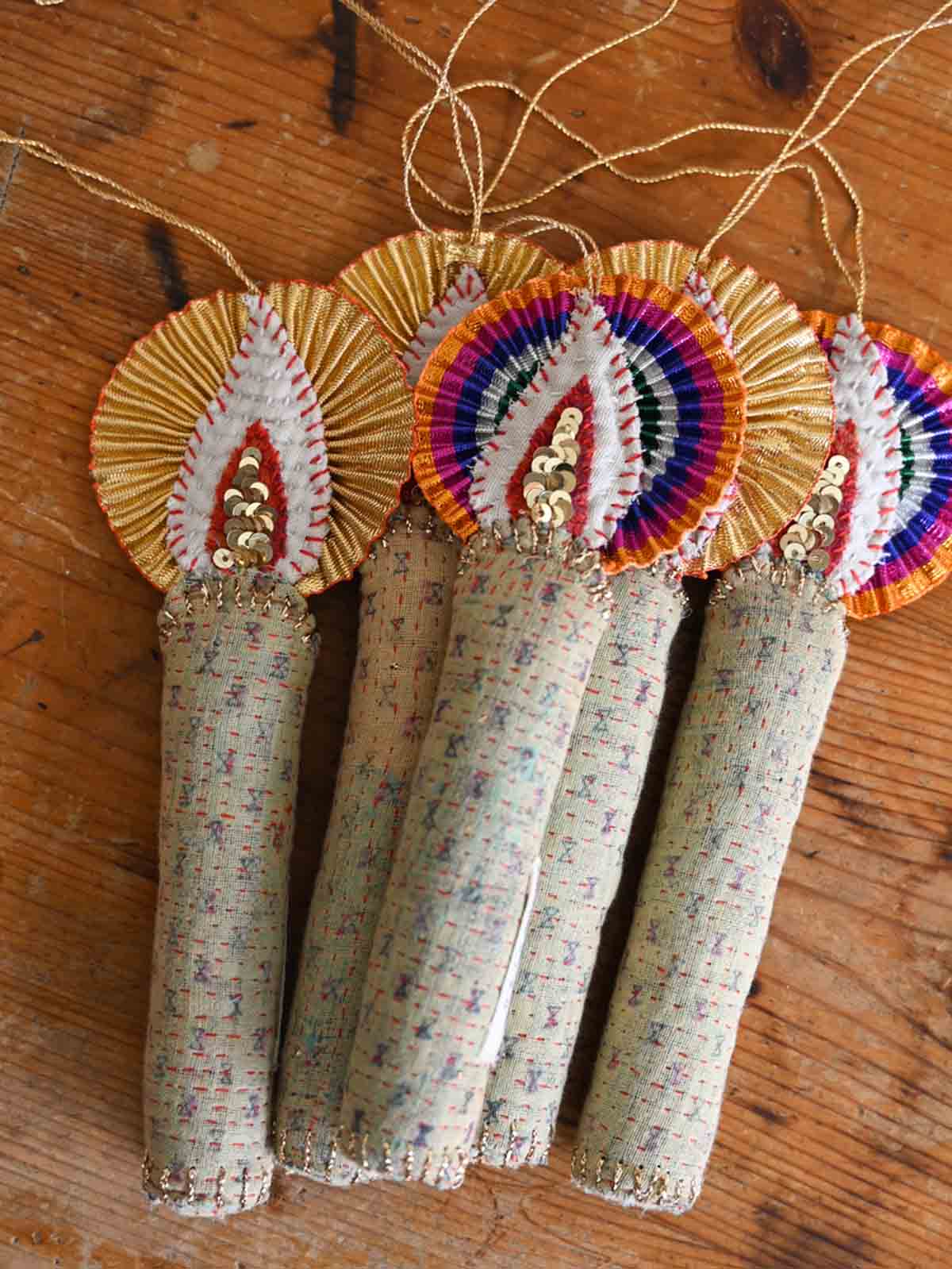
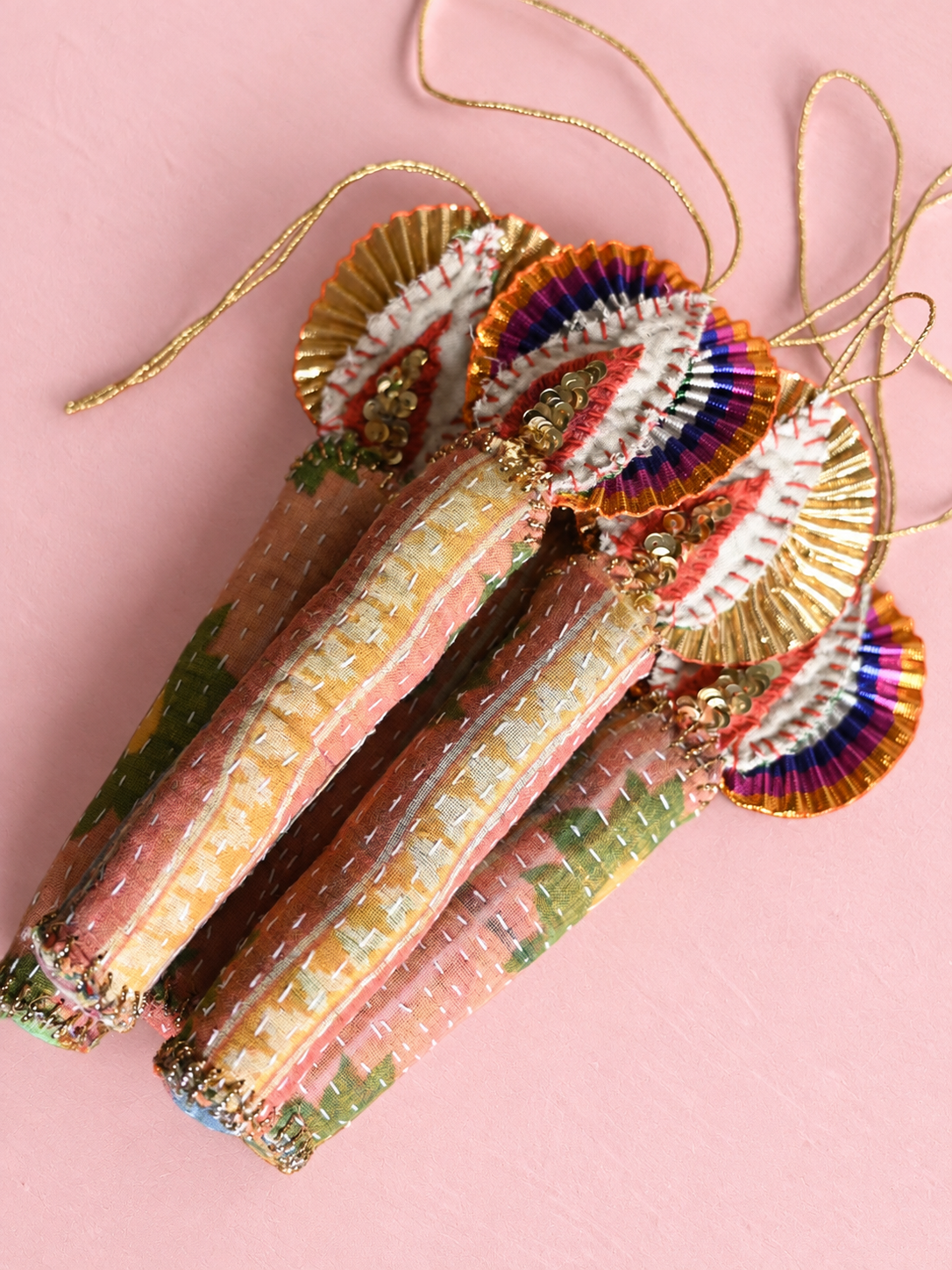
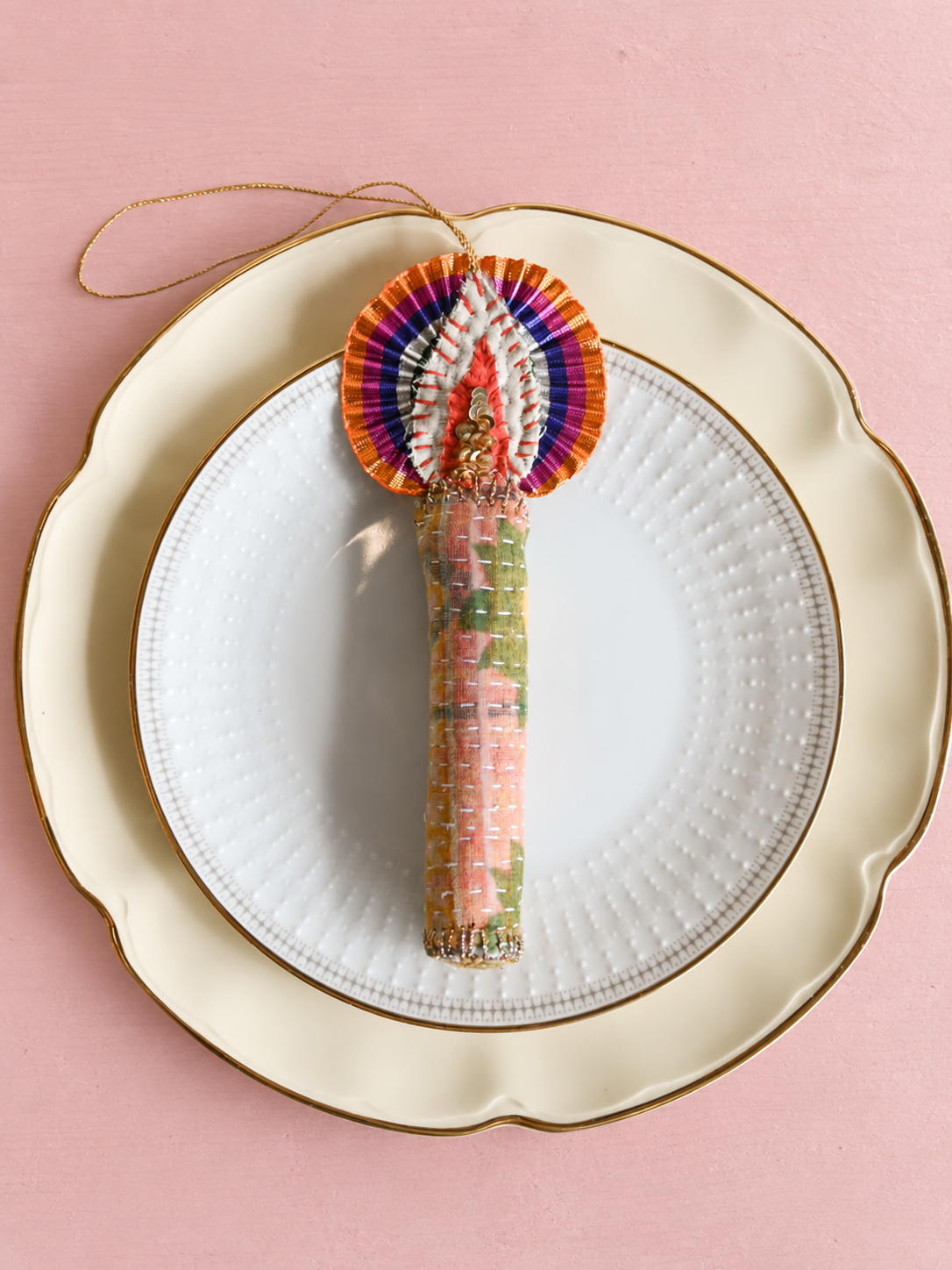
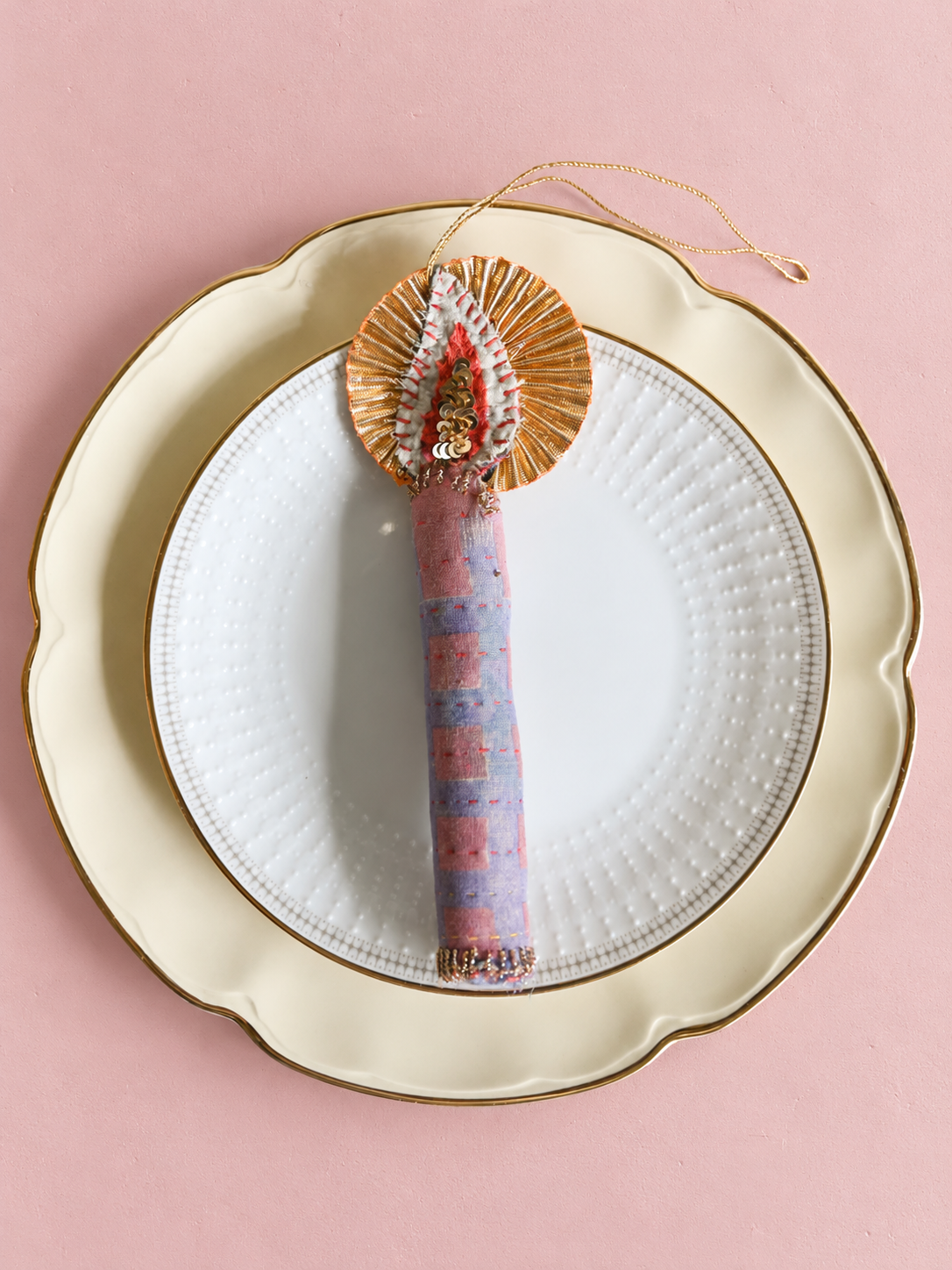
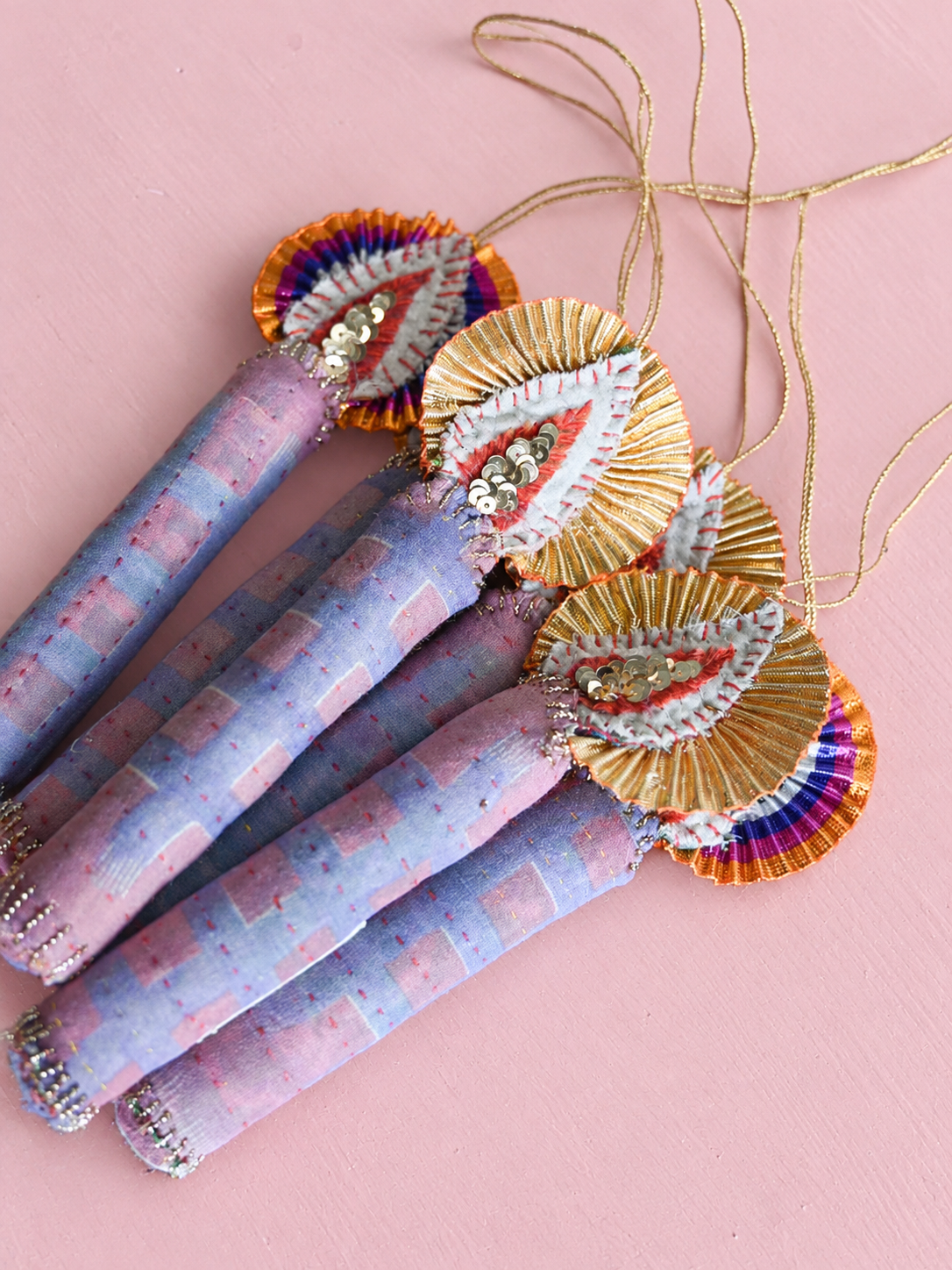
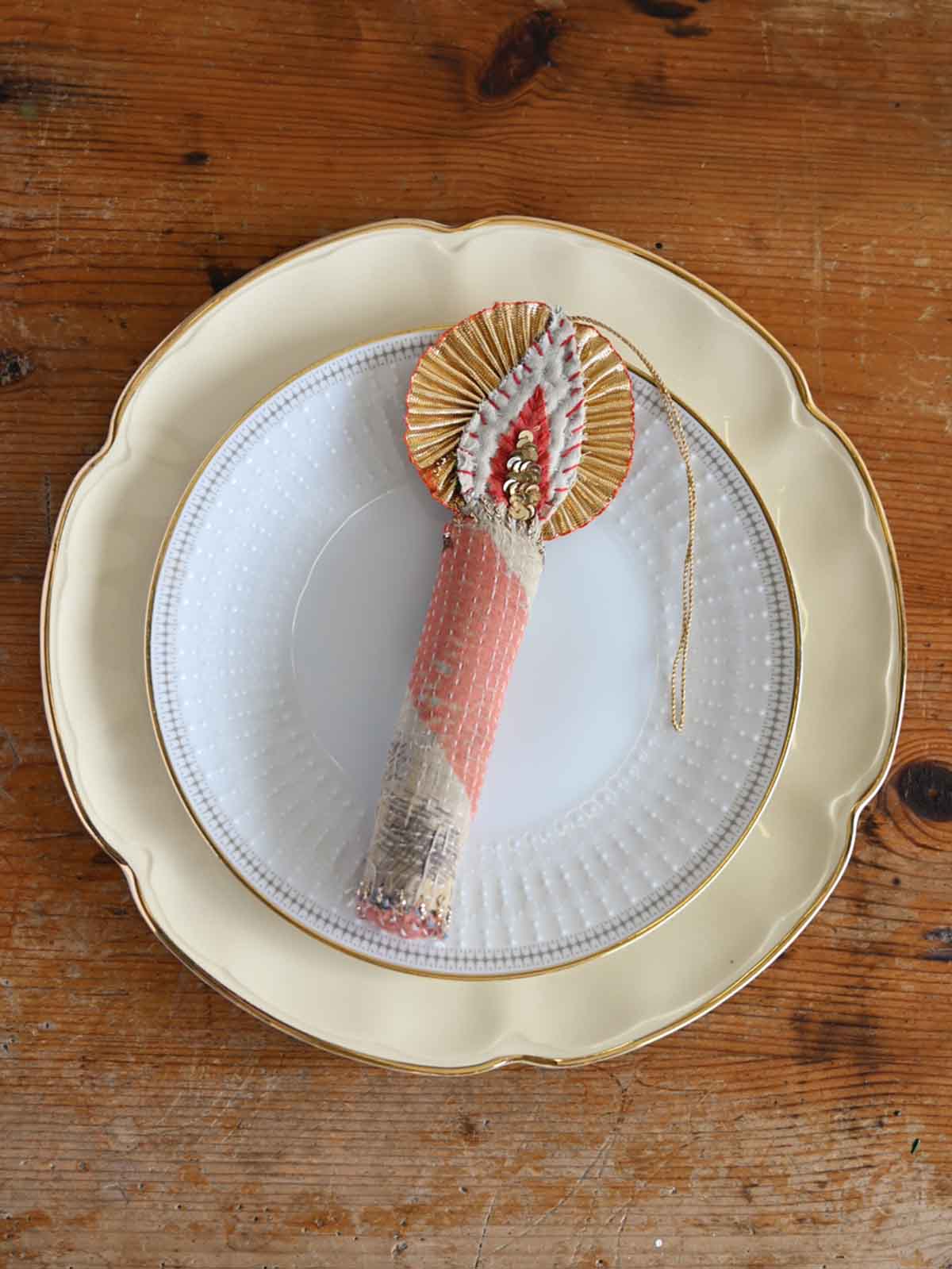
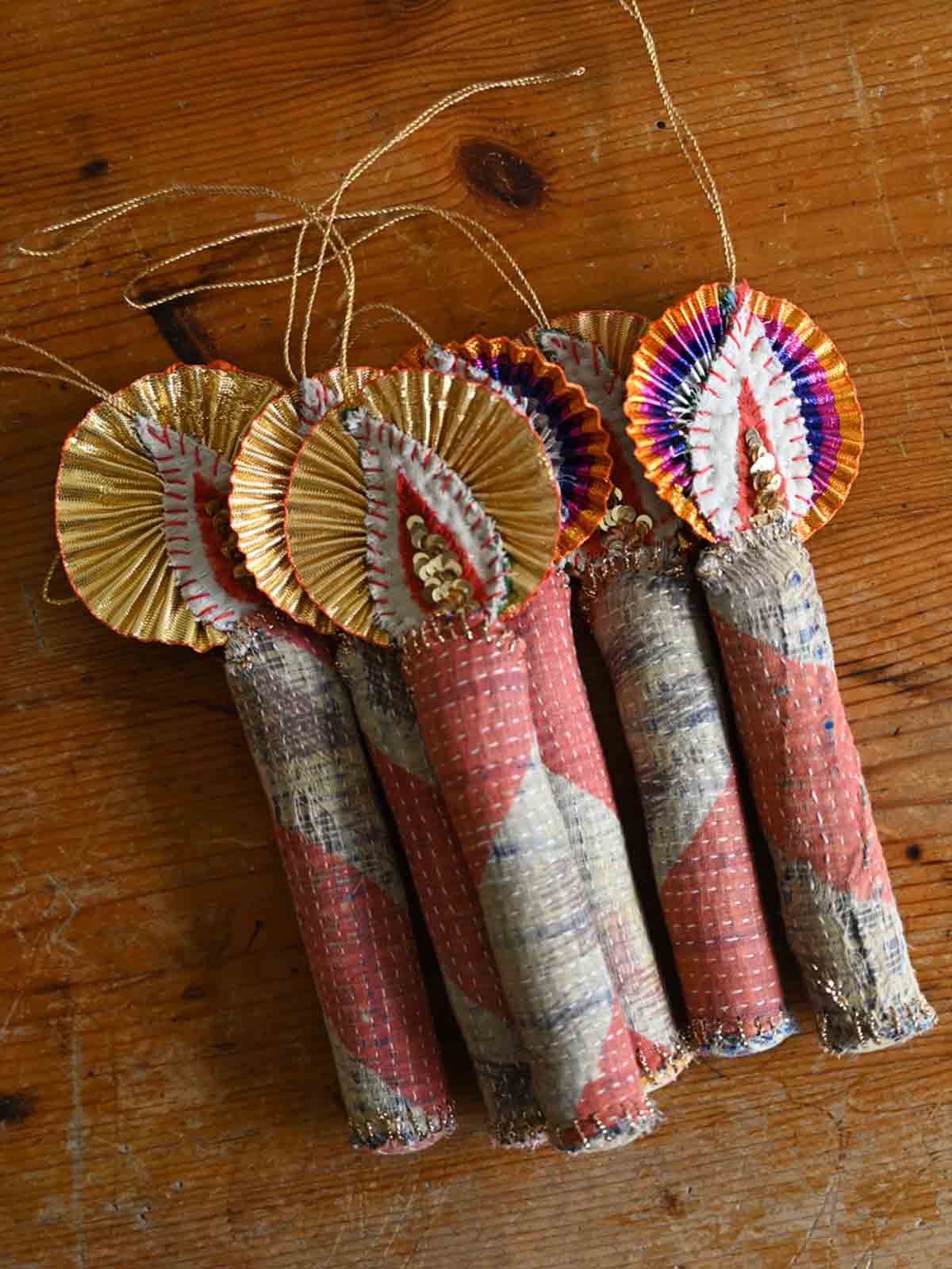
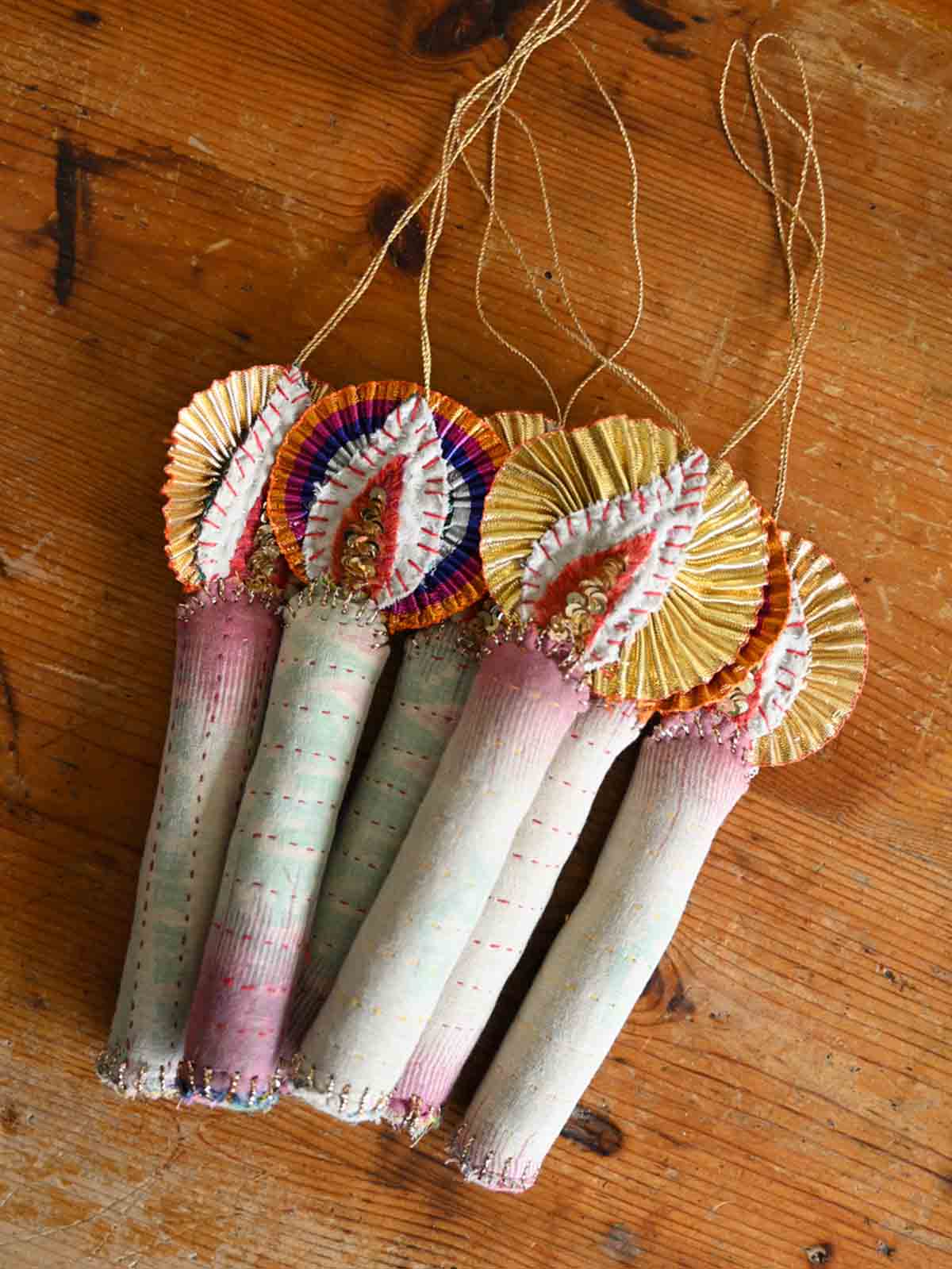
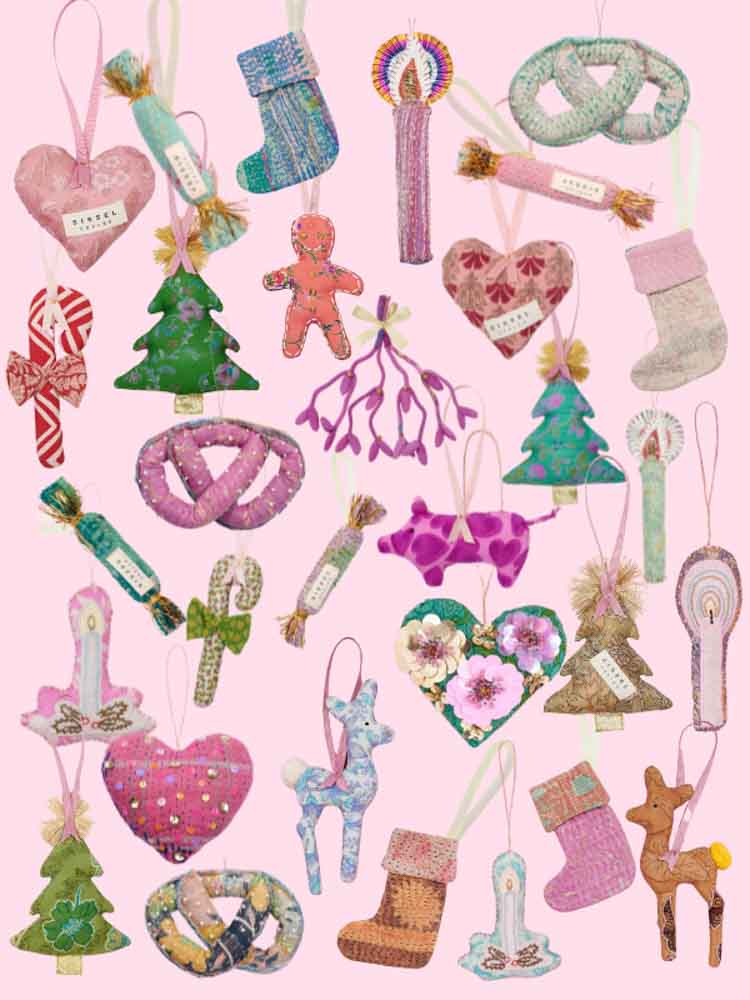
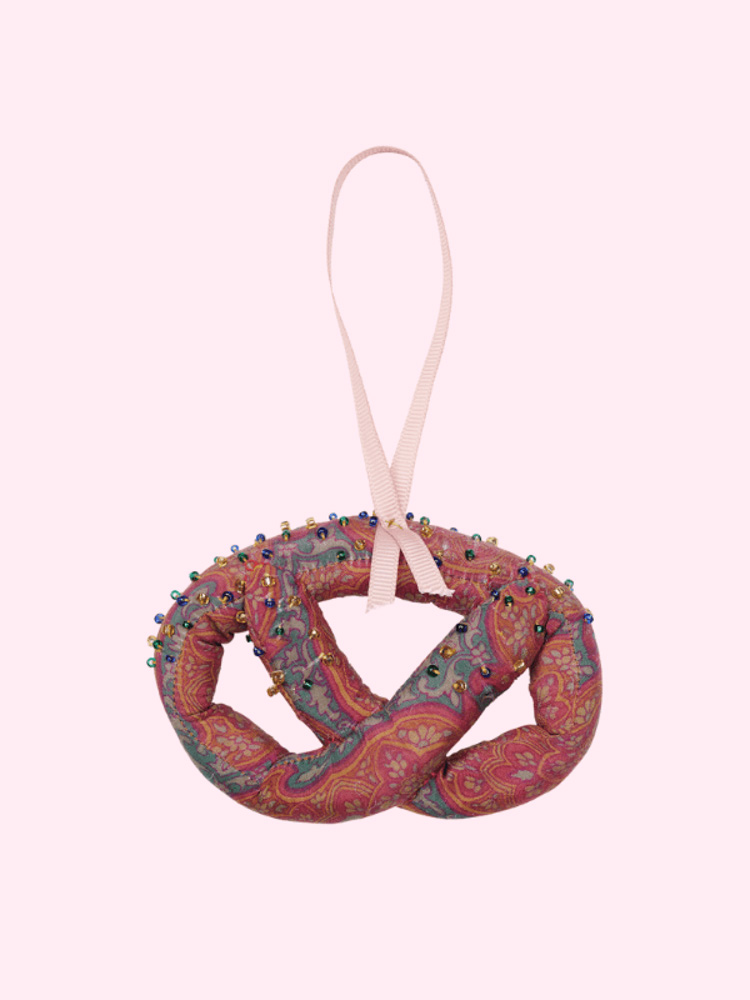
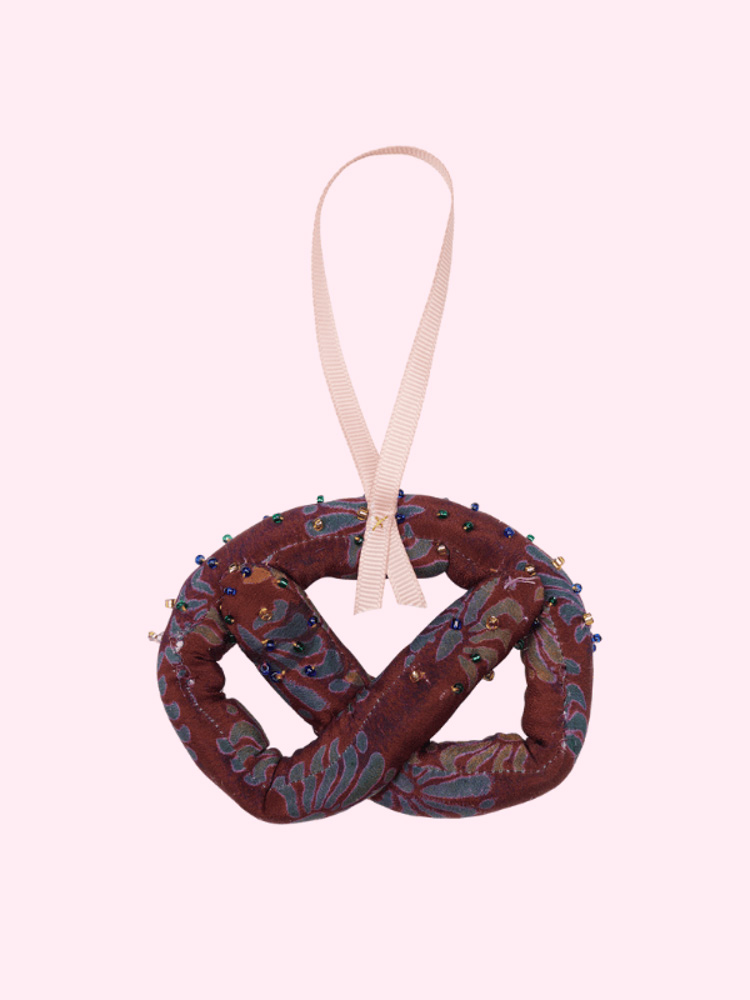 Single Kringle (Pretzel) - Beetroot
110,00 kr.
Sissel Edelbo
Sissel Edelbo stands for sustainability, quality and respect for people and the environment throughout their entire value chain. They continue to nurture their relationships with partners and suppliers in India and ensure employee well-being. Their goal is to contribute positively to the people who are part of their production and promote a sustainable future for our planet.
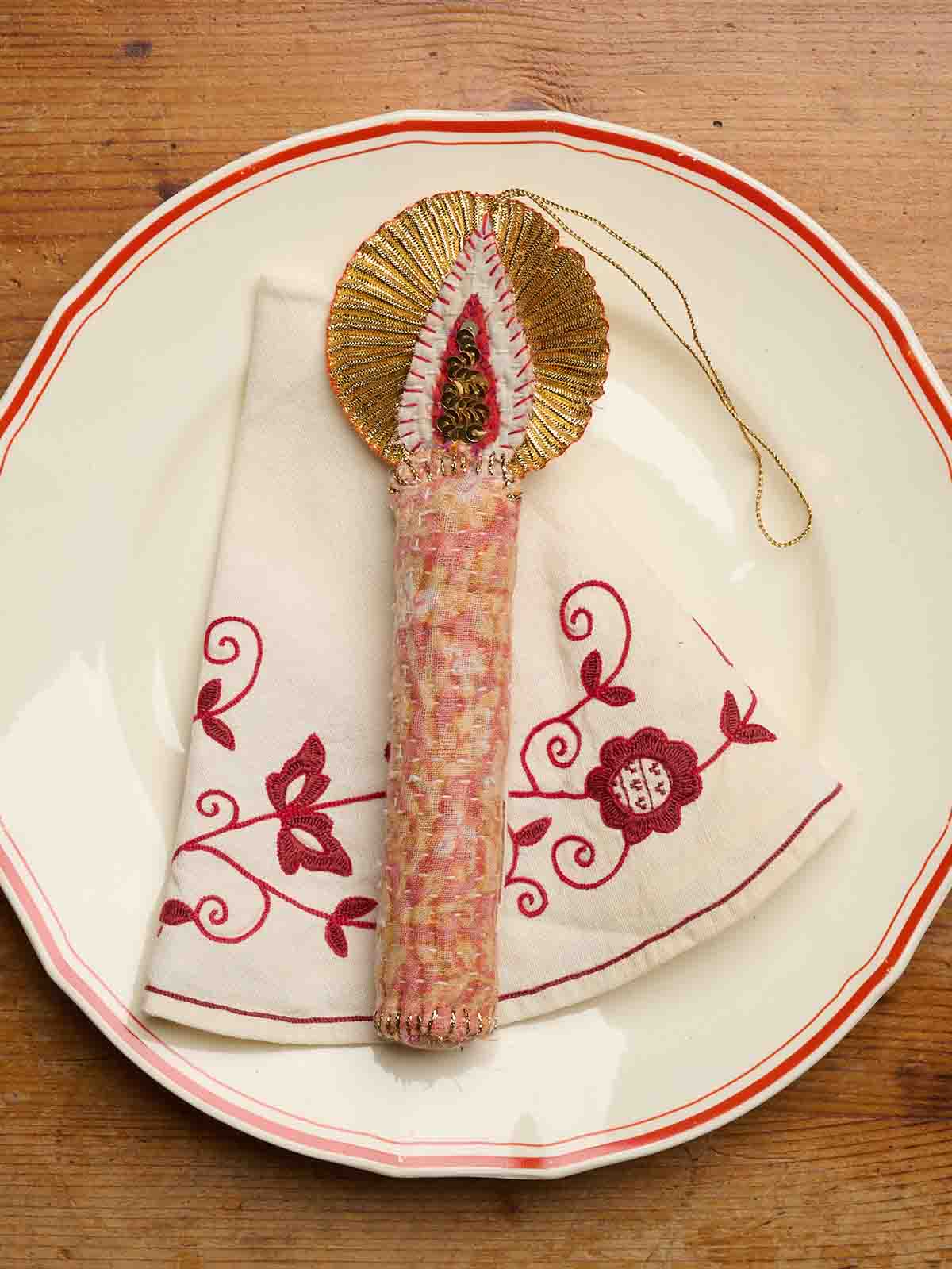
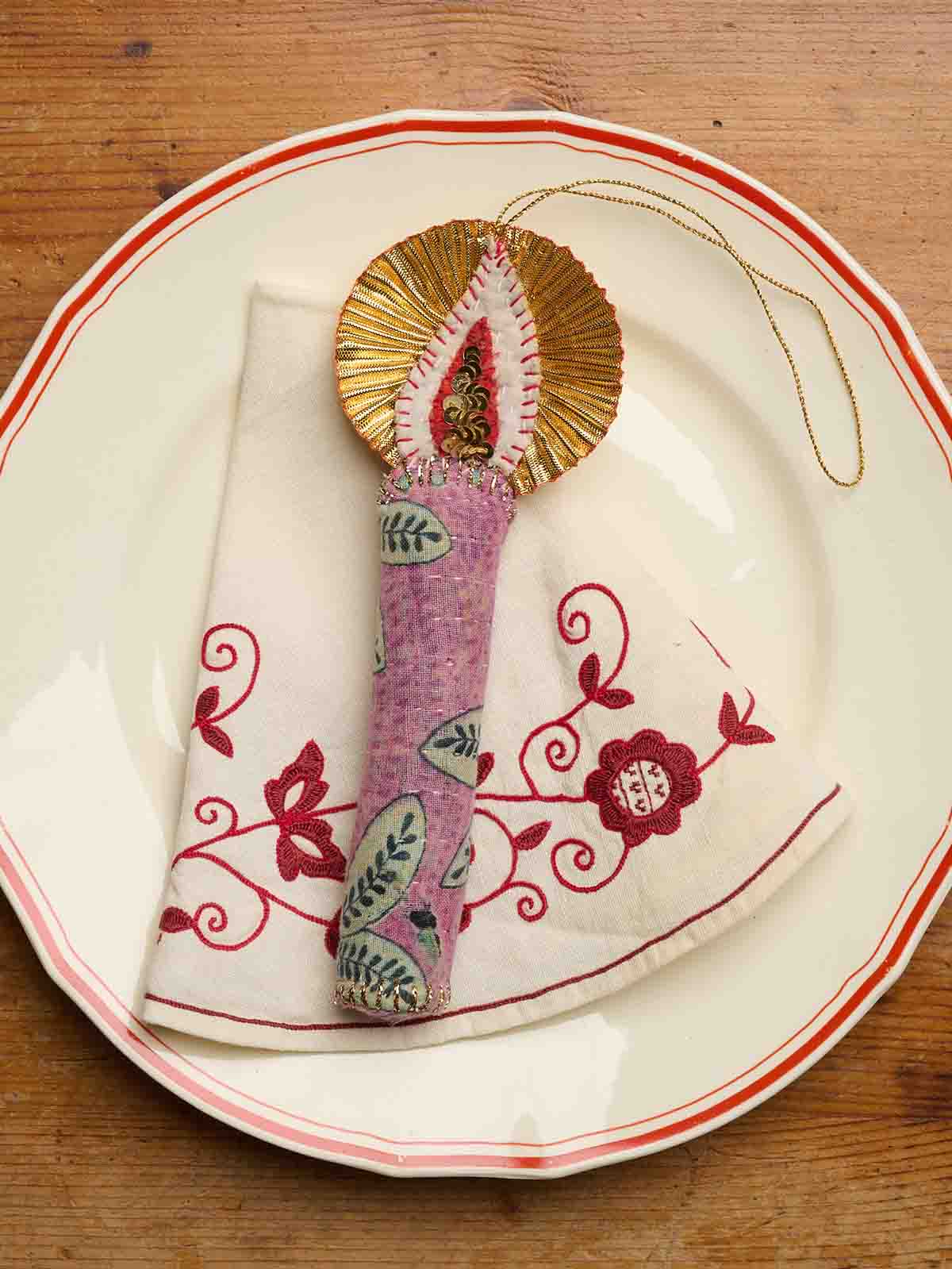
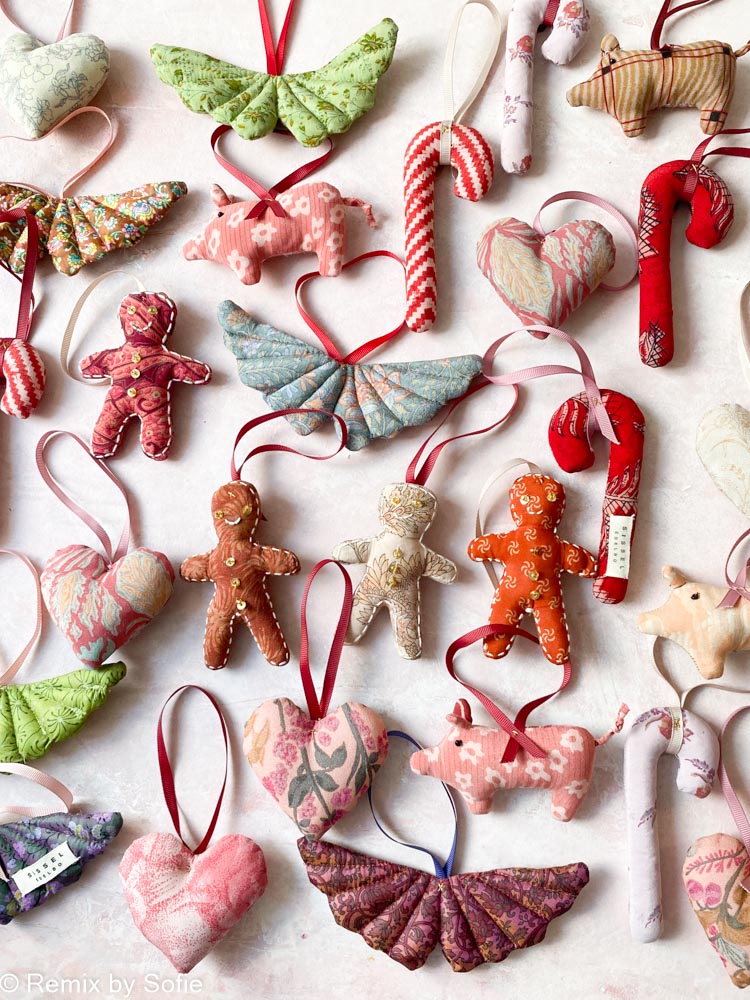
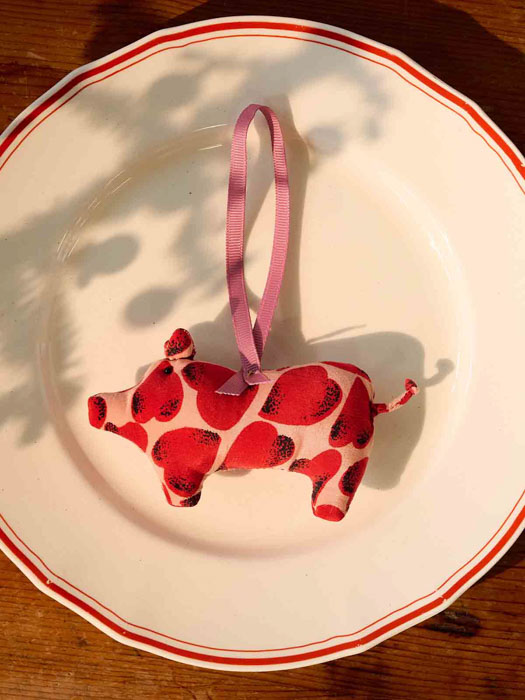
We love Sissel Edelbo products for several reasons. First, their designs are unique and colorful, which we are quite fond of in our store. Their use of recycled Indian saris adds a fascinating historical dimension to all the products, making it more unique.
Furthermore, we are excited about Sissel Edelbo’s sustainable approach to production. By focusing on upcycling and using vintage materials, they reduce waste and reduce environmental impact. This is important to us, as we want to support brands that take responsibility for the planet.
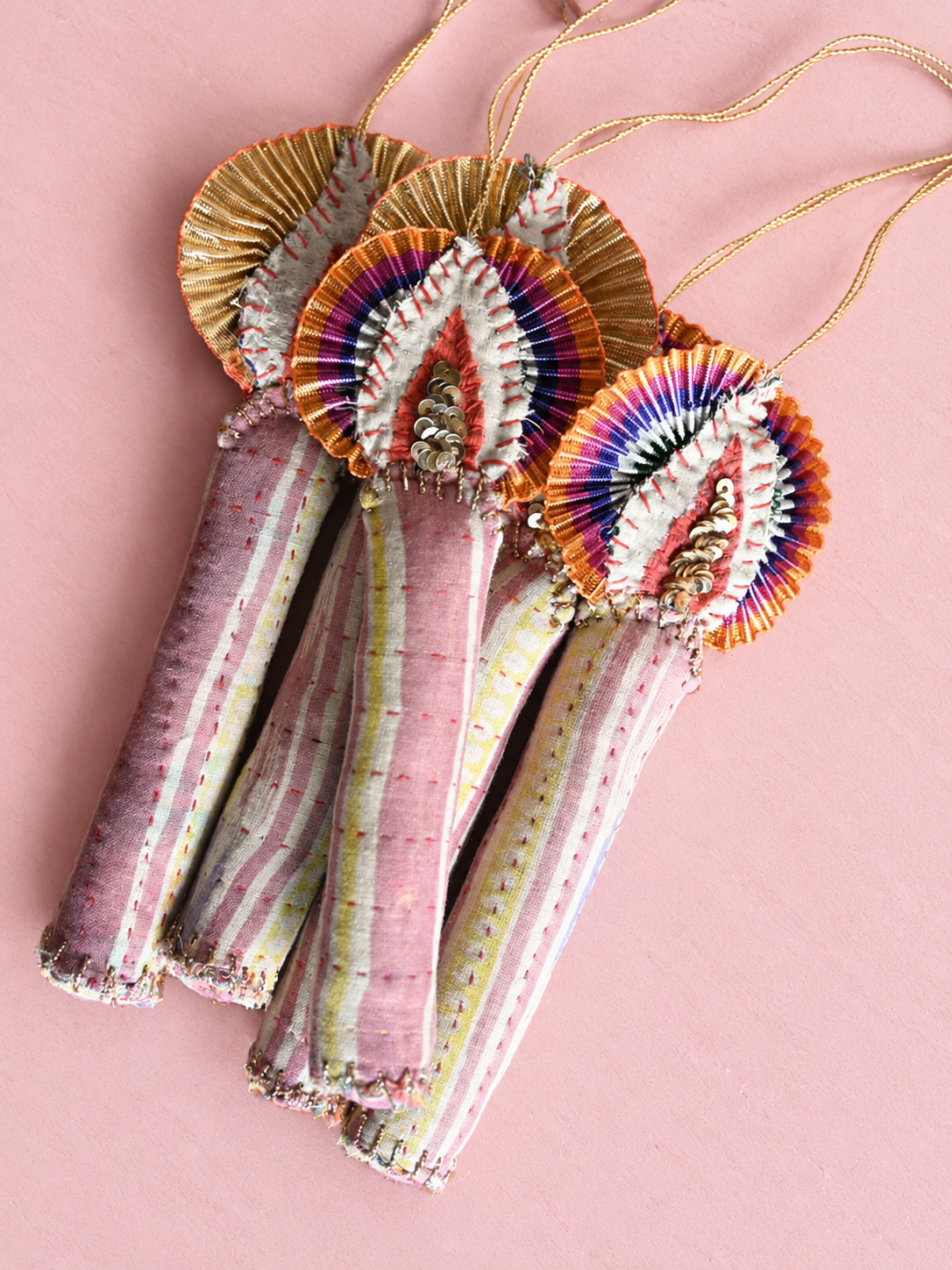
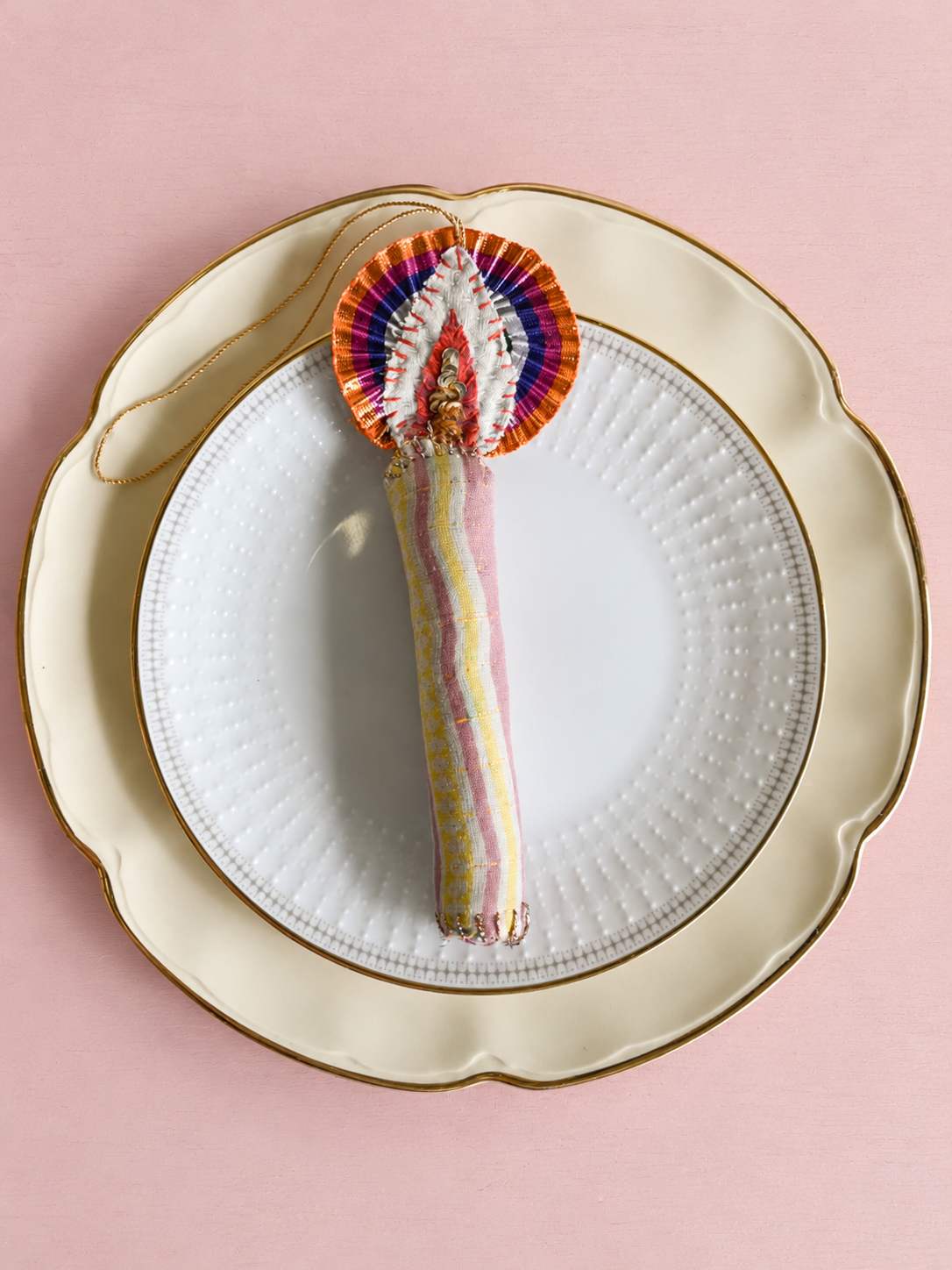
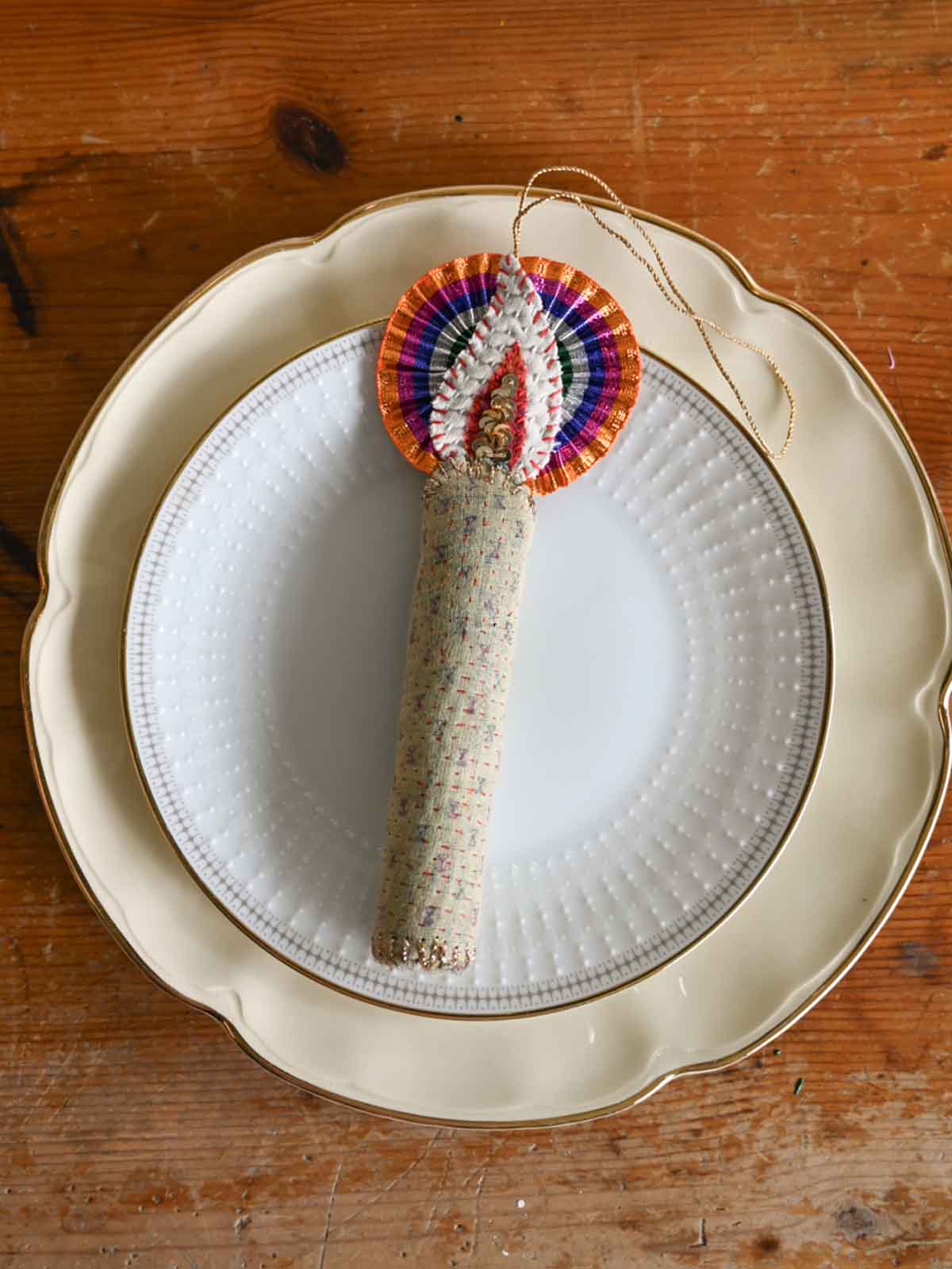



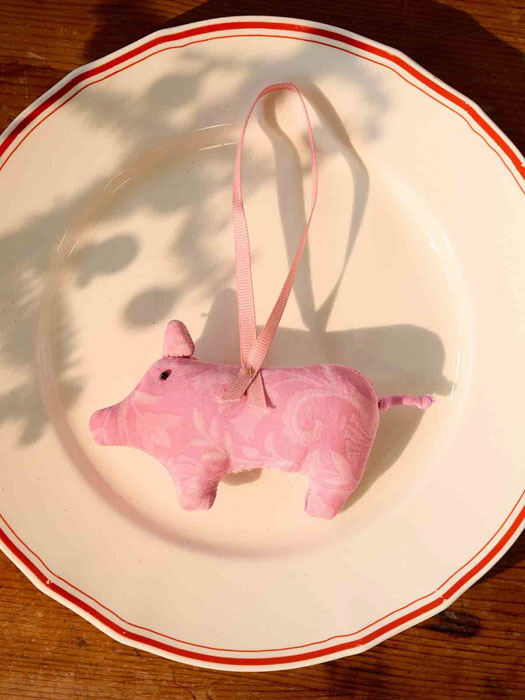
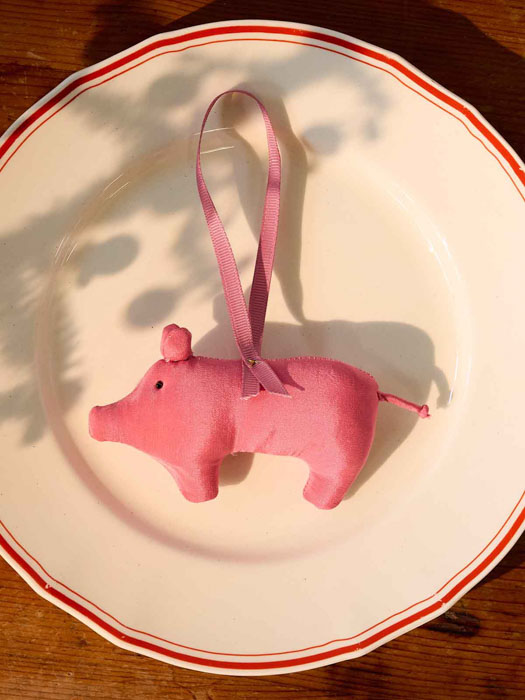




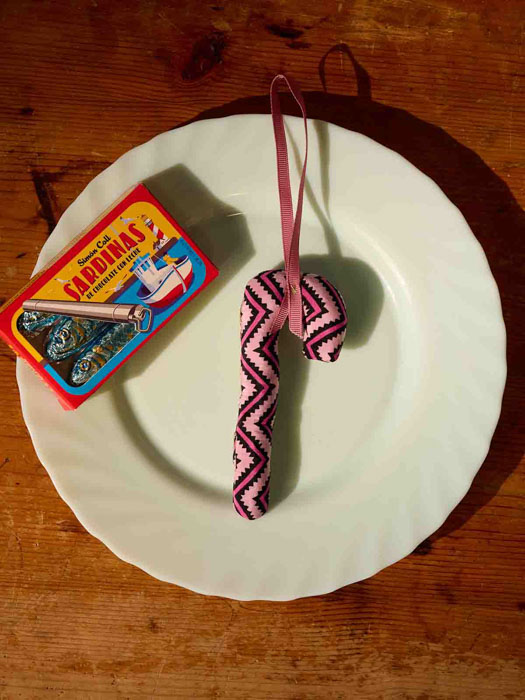

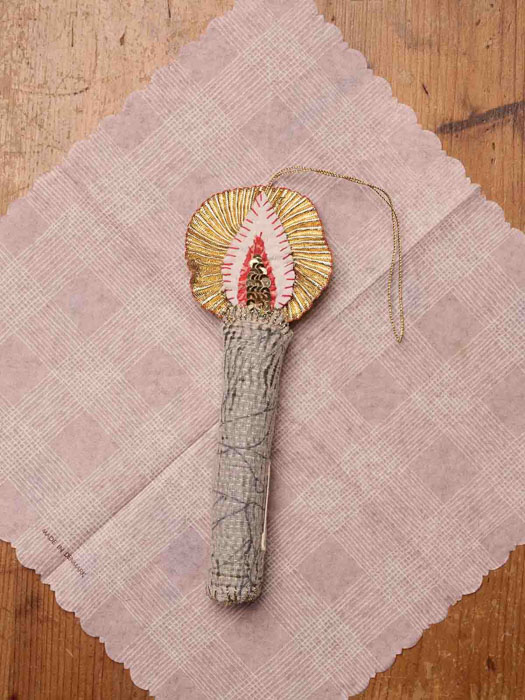
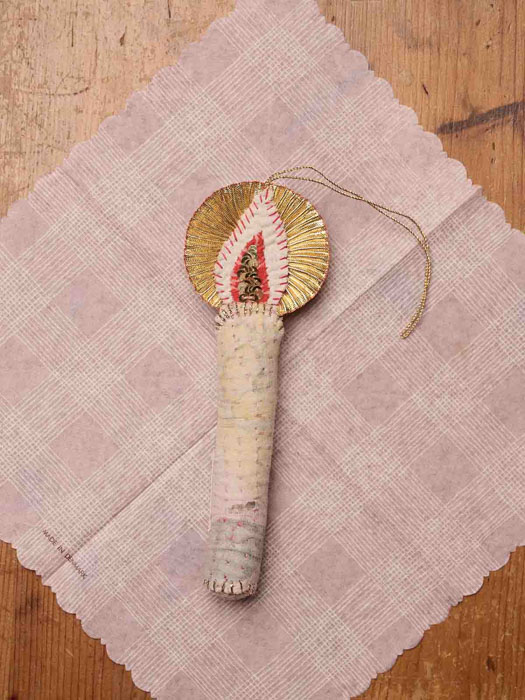

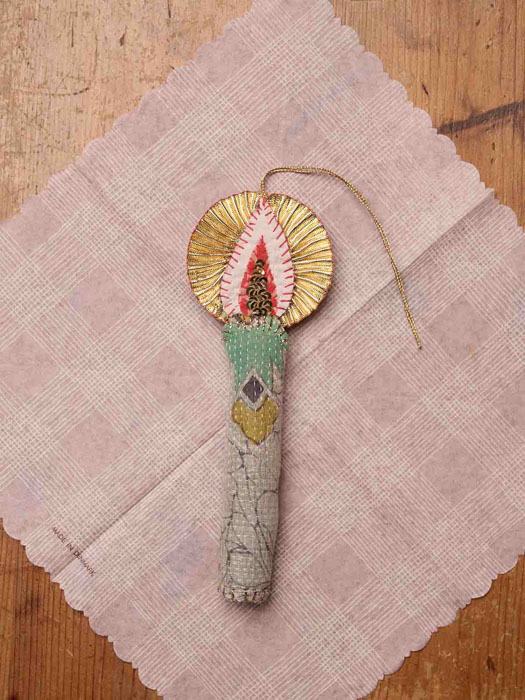





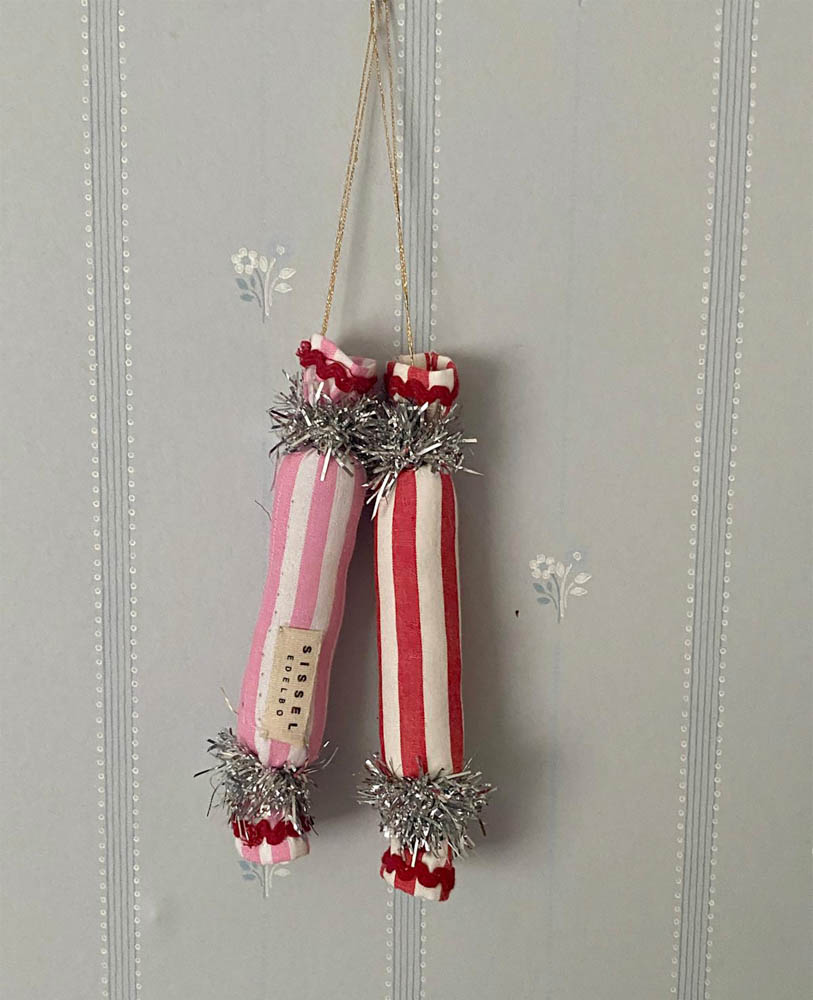





3 for 240.-
3 for 240.-
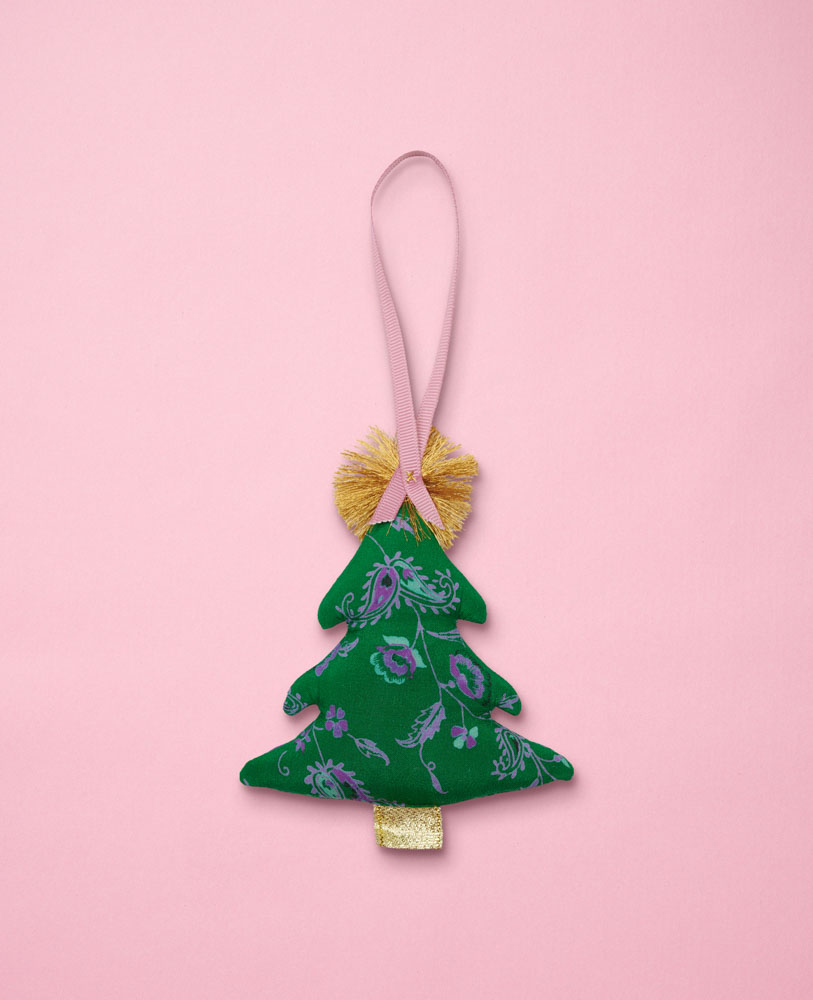
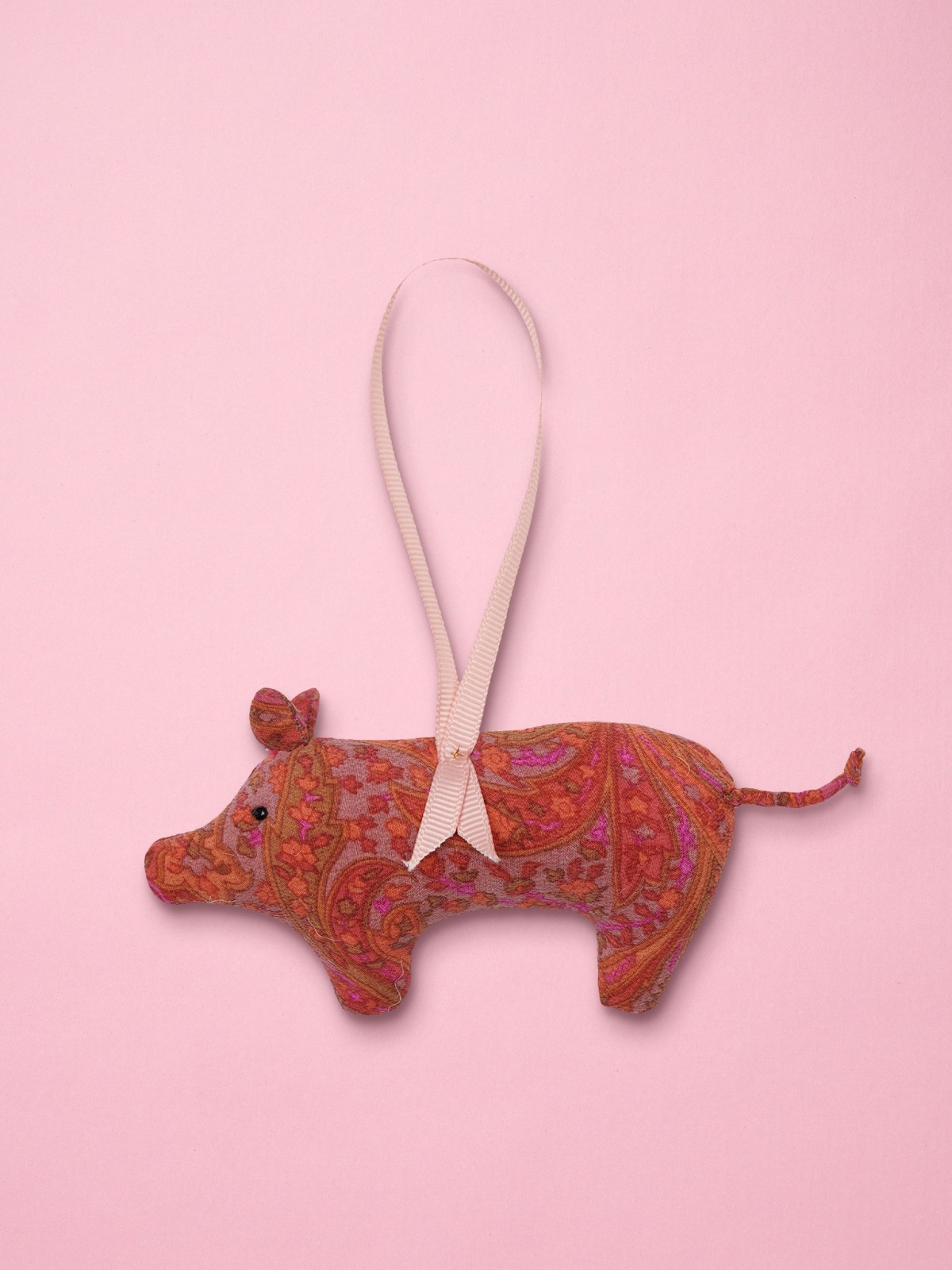
OFFER

OFFER
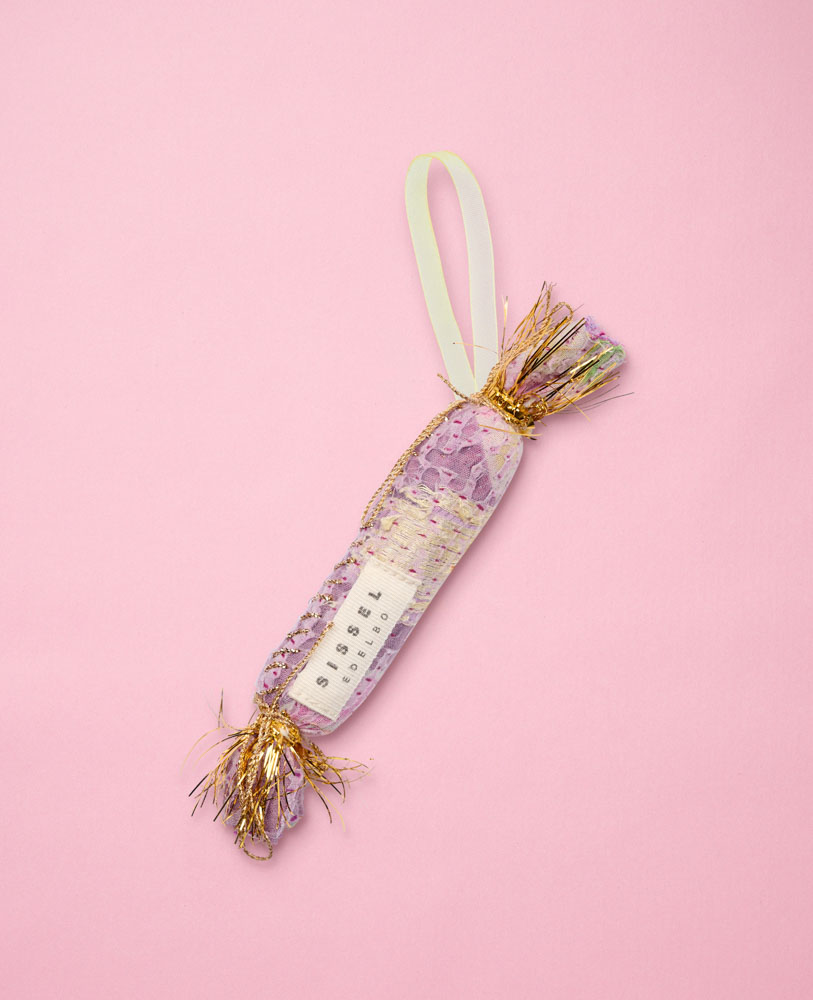
OFFER
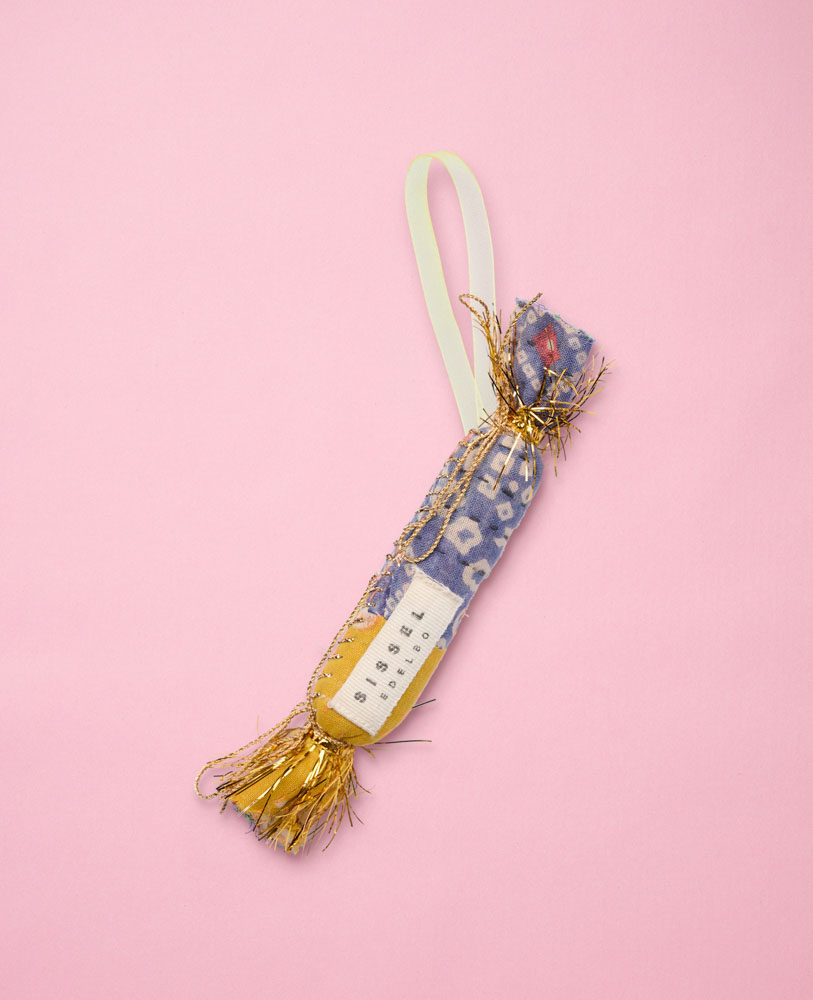
OFFER

OFFER
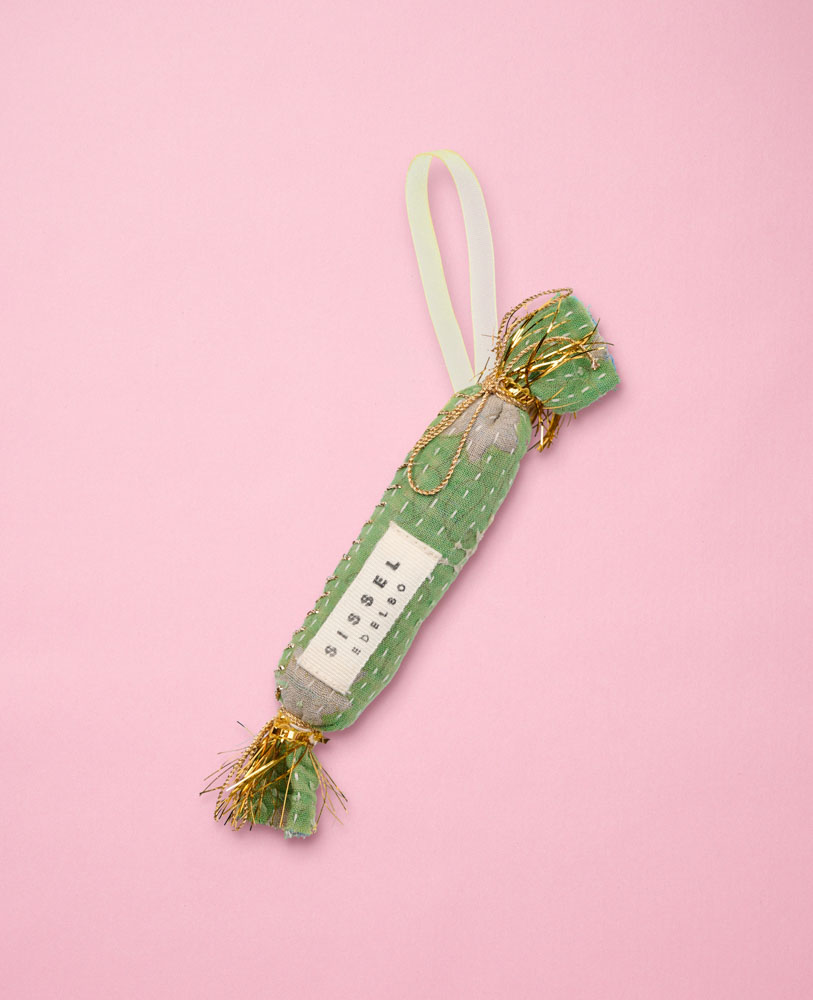
3 for 240.-
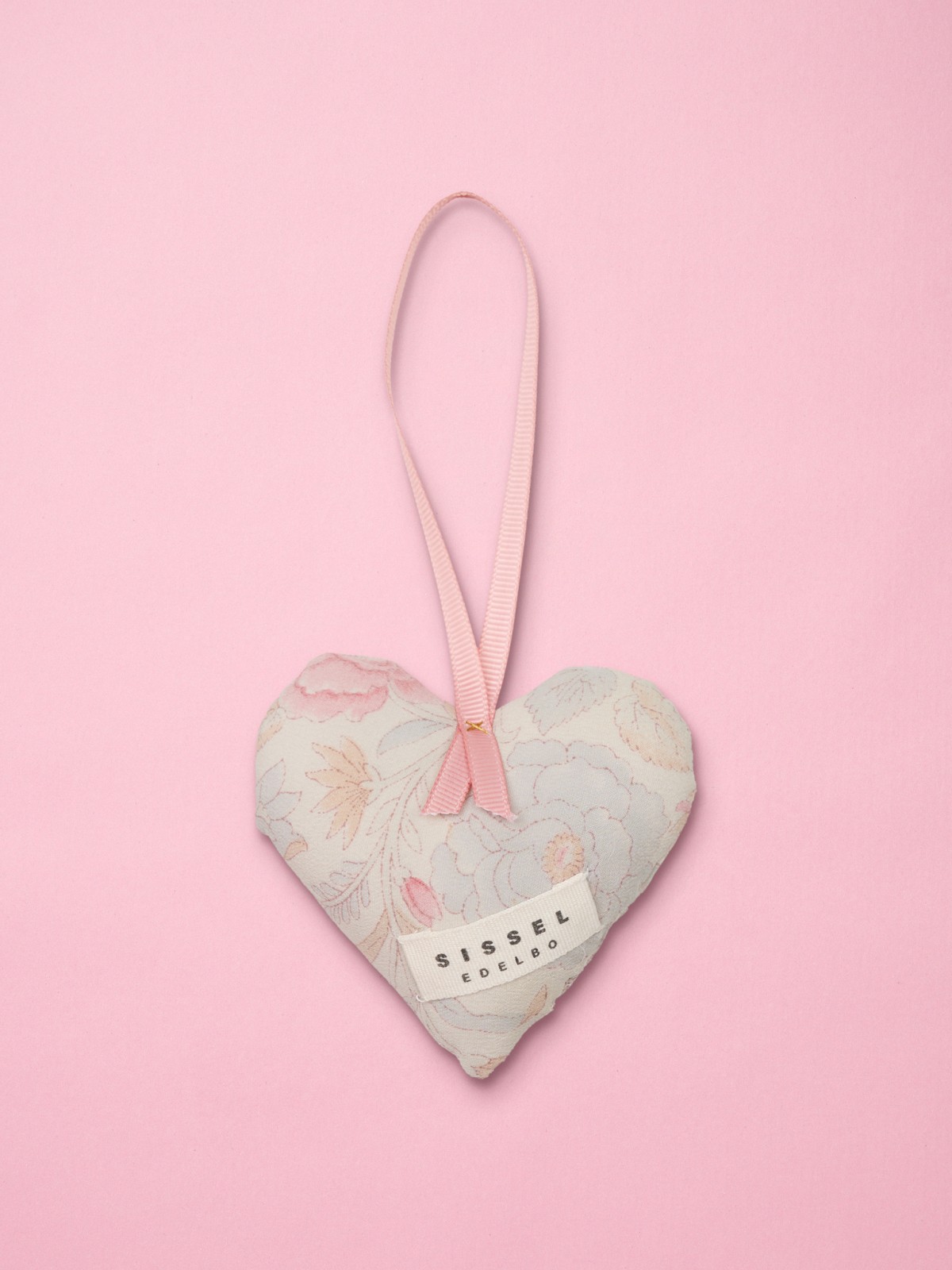


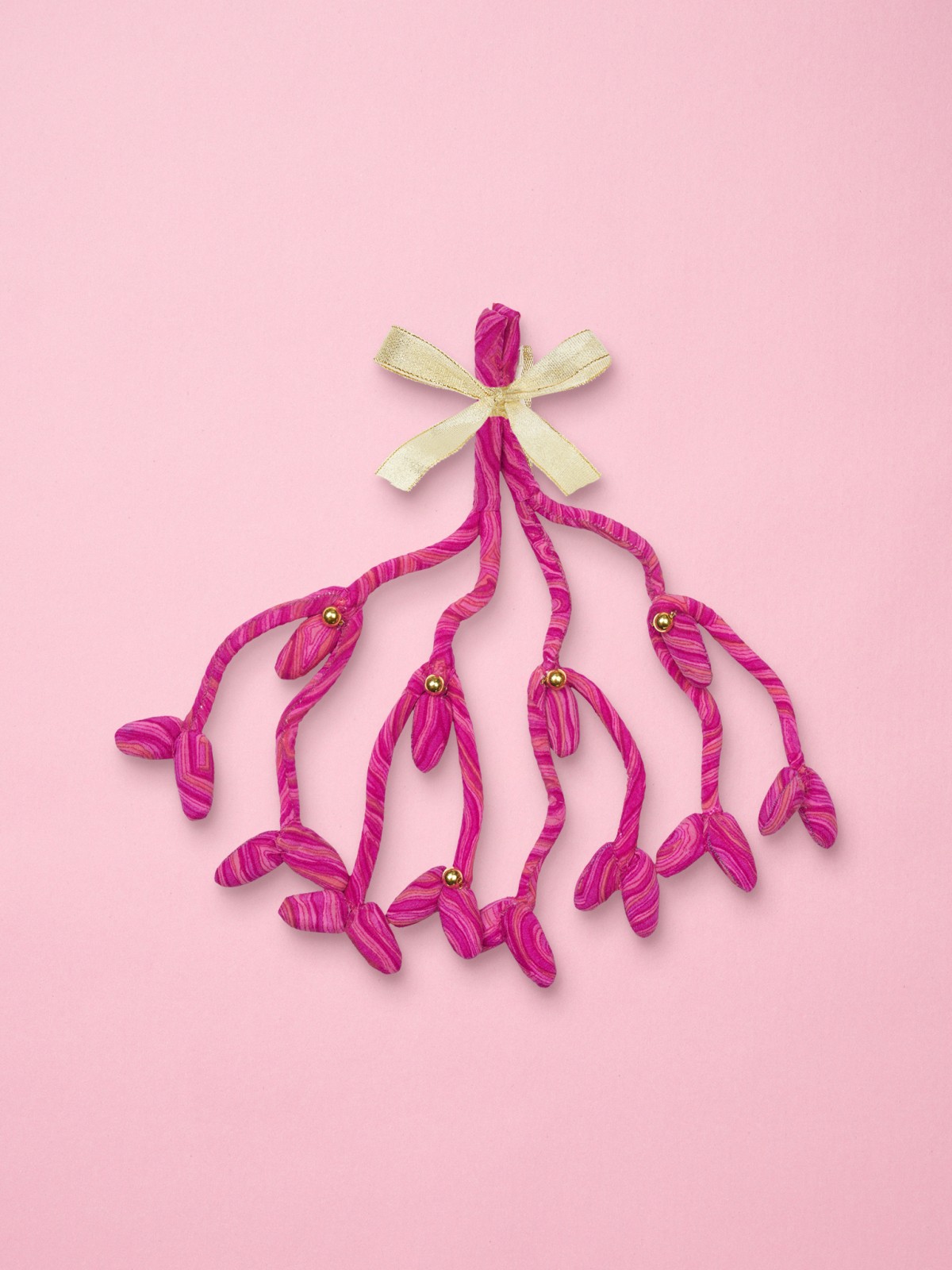



3 for 240.-
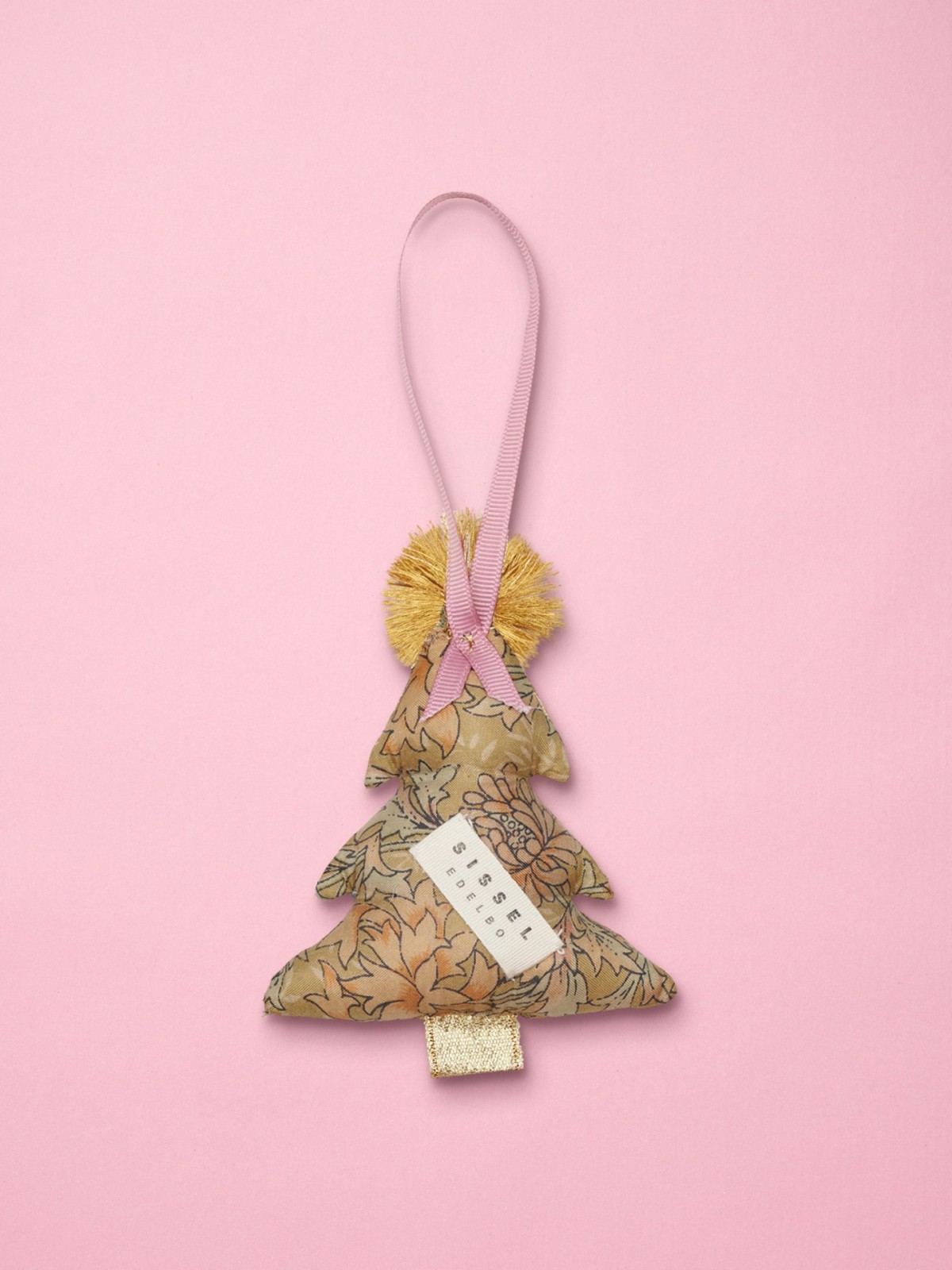
Sissel Edelbo is a fashion brand founded by childhood friends Jeanne Sissel Thomsen and Christina Edelbo in 2004 with a deep commitment to sustainability.
The brand is founded by Jeanne Sissel Thomsen and Chris Elmengaard, who have worked together since 2004 with a targeted approach to sustainable materials, stylish designs and a bohemian lifestyle. Sissel Edelbo was founded with the vision of creating a fashion brand based on pure, sustainable values and a penchant for feminine, colourful prints and sustainable textiles.
The brand has a responsible approach to the entire production process, including the people involved, and designs collections based on vintage materials, created to last season after season. Upcycling of beautiful vintage materials is at the heart of Sissel Edelbo. Every year they continue to refine their approach and explore new designs created from recycled materials such as hand-embroidered rugs and vintage saris, worn by Indian women for generations. These colorful, recycled materials are carefully selected and re-designed for contemporary styles with a unique history and a distinct touch of Indian culture in a modern aesthetic silhouette.
Sissel Edelbo creates fashion for women who want a colorful and unique wardrobe, and at the same time want to act with care for the environment and Mother Earth. They are committed to finding the most beautiful vintage materials in India and giving them new life as dreamy styles. Through upcycling of vintage saris, they preserve the history of these traditional garments, and circularity is a natural part of their DNA. They buy recycled saris directly from the women of India, allowing the women to turn their used clothes into value and upcycle the materials into new styles with history.
What is a sari?
A sari is a traditional Indian garment that is wrapped and tied around the body. The saris come in countless variants with detailed patterns and different qualities. It symbolizes femininity, elegance and beauty - three core values that Sissel Edelbo wants to introduce into their designs, bearing witness to the rich history of the fabric.
What does upcycling mean?
Upcycling means working in a circular system by taking something that already exists and transforming it into new products of higher value. At Sissel Edelbo, Indian saris are recycled by transforming them into modern styles. This practice is more environmentally friendly than conventional clothing production, as it avoids the need to manufacture entirely new materials. It is a matter of honor for them to contribute to recycling and extend the lifespan of vintage materials.
Where are SISSEL EDELBO clothes produced?
Every year, Sissel Edelbo makes the trip to India 3-4 times to maintain their close relationship with partners, suppliers and factories. This is also a way to ensure that employees thrive and work under good conditions. Their strong affiliation makes them feel obligated to positively influence the people involved in their production process. At Sissel Edelbo, respect and dignity for everyone in their value chain is a cornerstone of their business philosophy.