
Ceramics Miscellaneous
Various ceramics for everyday use – Flowerpots & Egg Cups
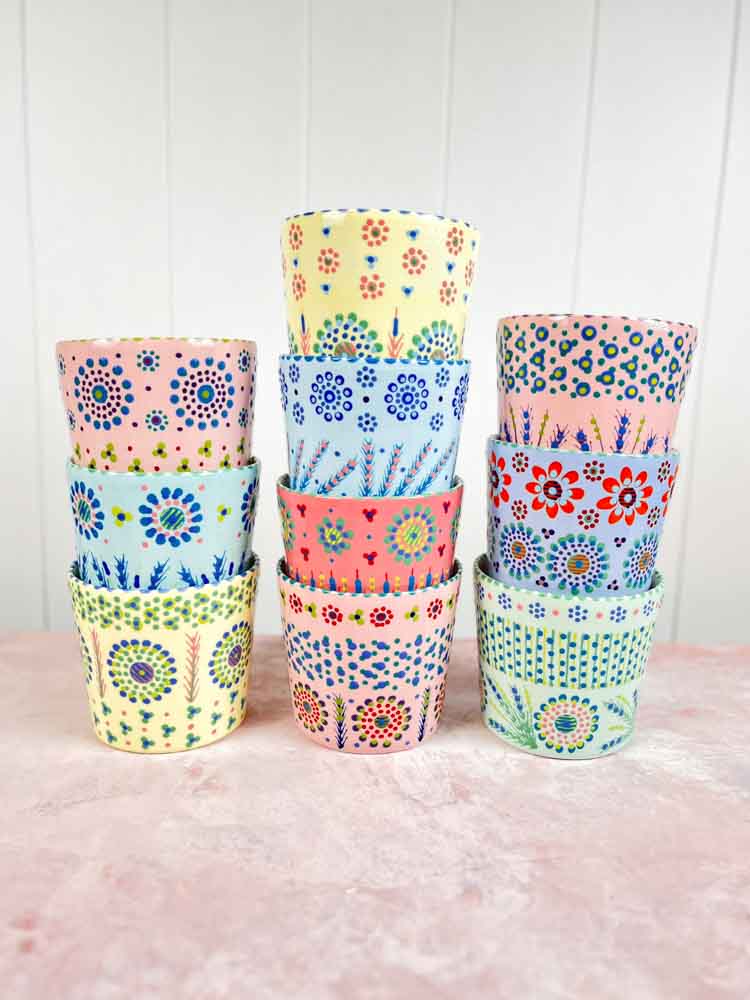
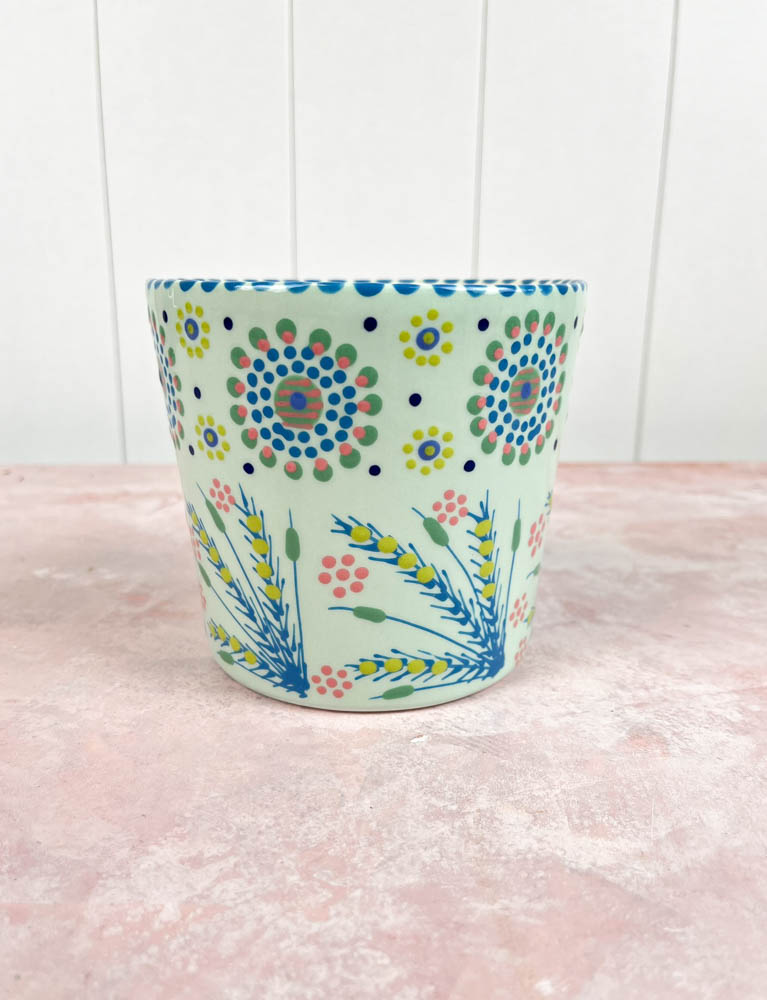
Welcome to Remix by Sofie’s ceramic category with focus on pots and egg cups – here you will find carefully selected ceramics that bring personality and quality into your home. In this category we collect both the practical and the decorative: from beautiful flower pots for your plants to elegant egg cups that make the breakfast table something special.
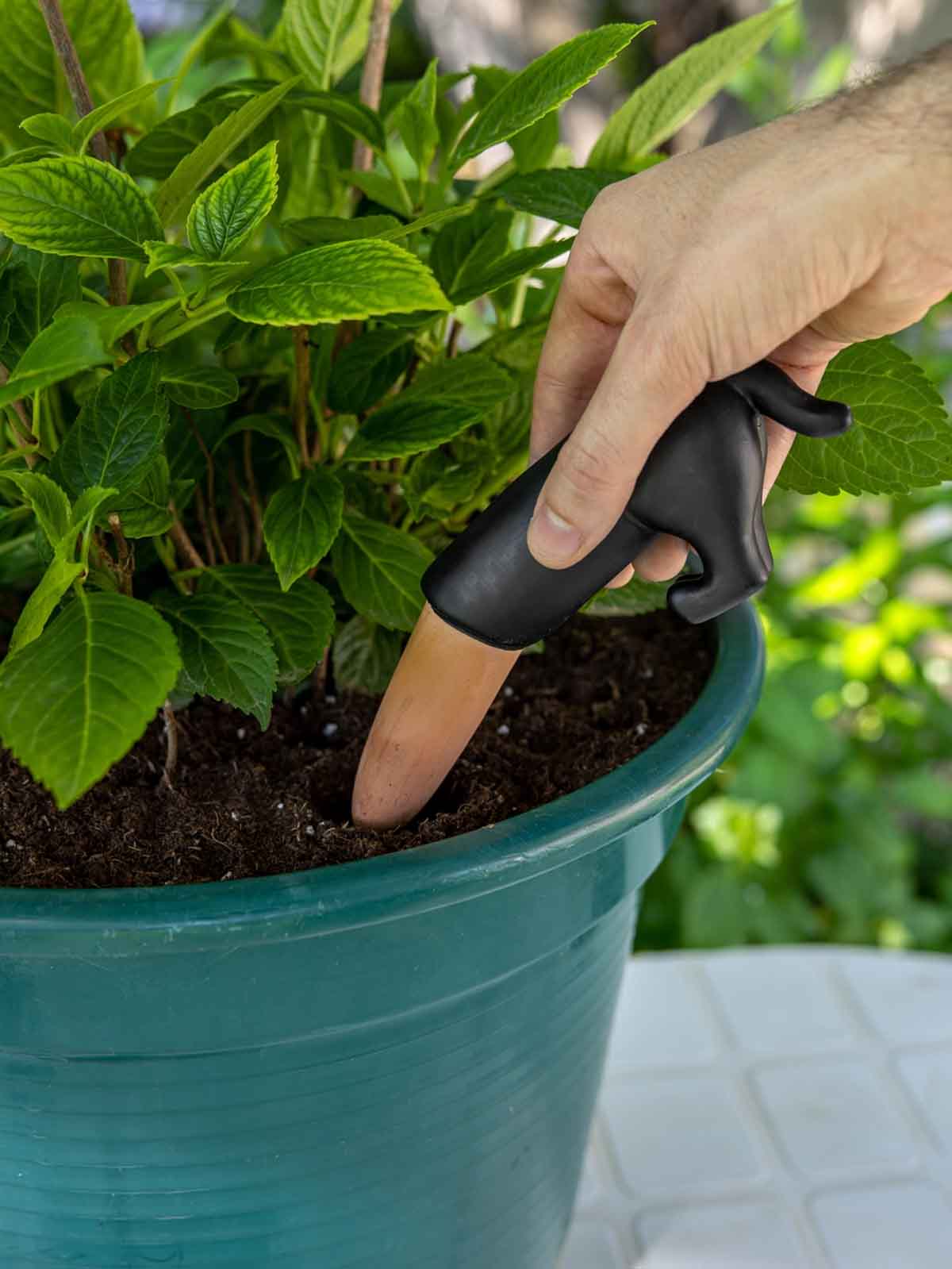
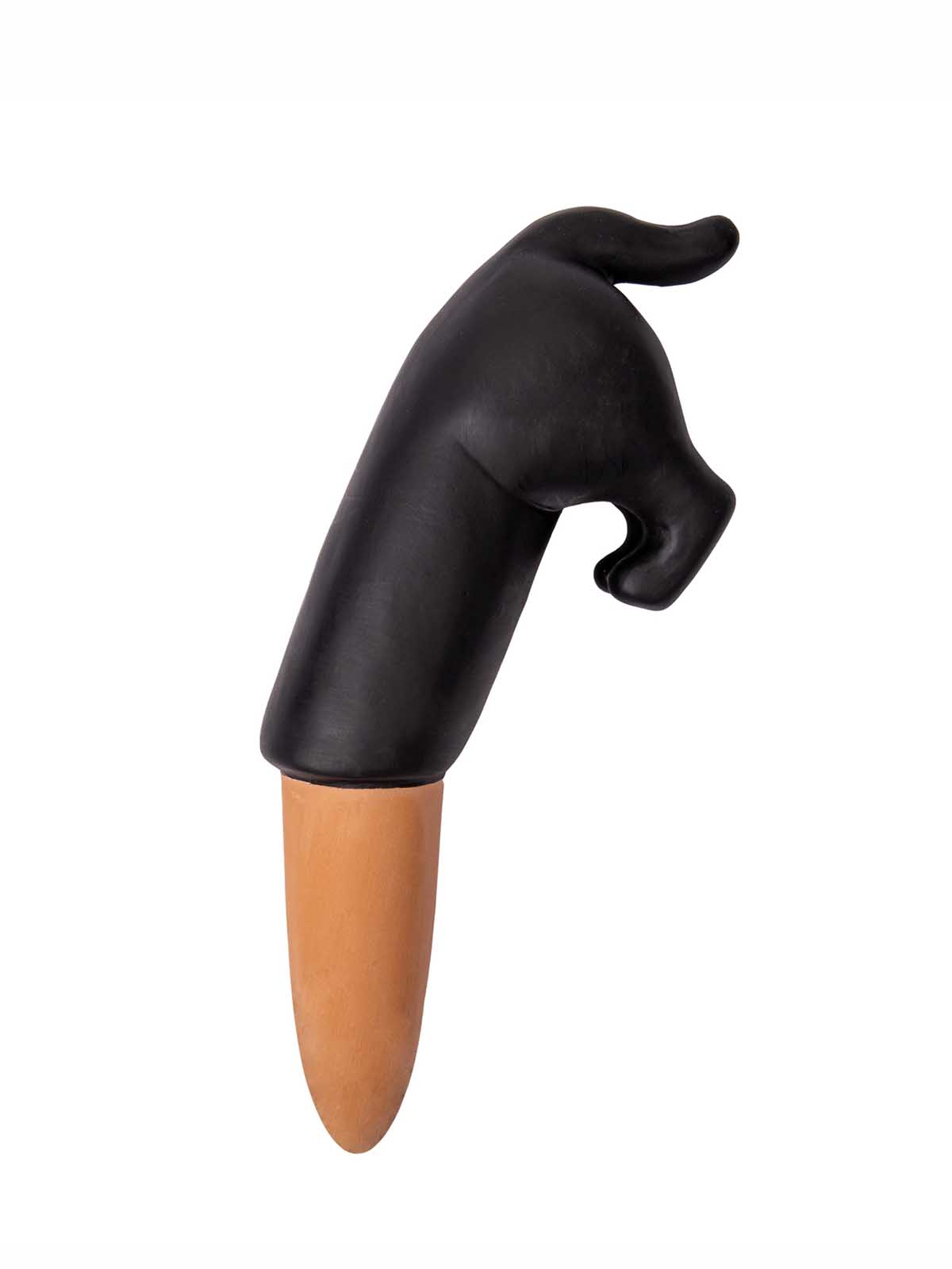
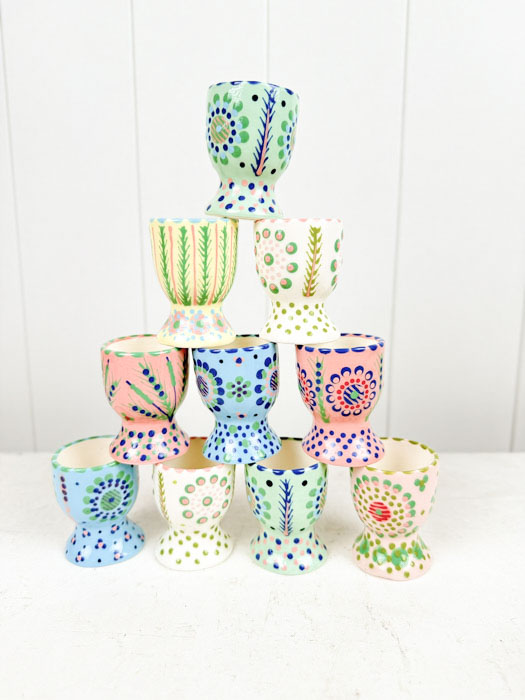
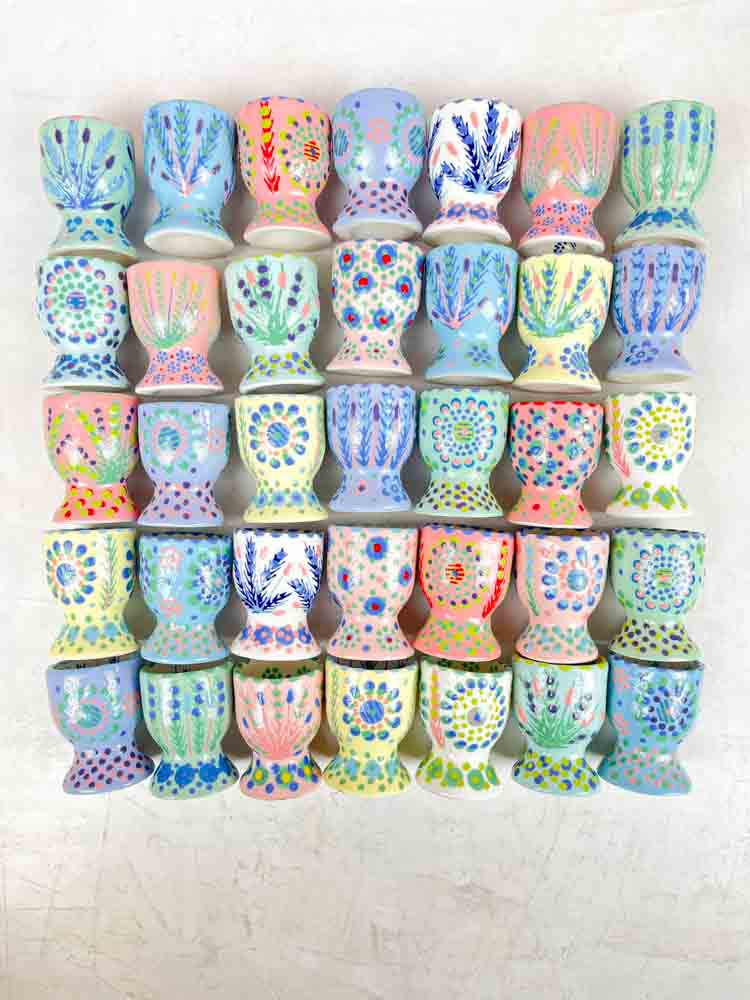

Why choose ceramics for flower pots and egg cups?
Ceramics are one of the oldest and most beloved materials for interior design, and for good reason:
-
Durability and quality: Handmade ceramics can withstand everyday wear and tear, and high-burning ceramics can typically withstand dishwasher, microwave and oven use (if the glaze is correct).
-
Breathability: Clay and ceramics can “breathe” – that is, excess moisture can penetrate and reduce the risk of root rot, especially if the pot has drain holes.
-
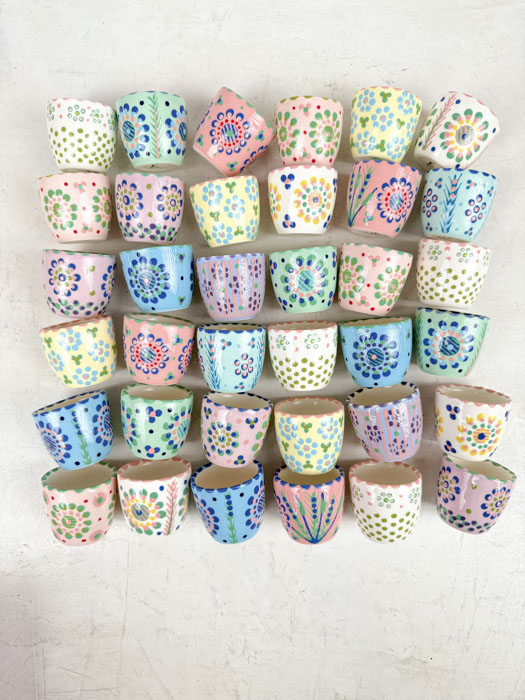
Aesthetics and uniqueness: each piece is unique – slight variations in glaze, colour and shape are part of the charm.
-
Natural and sustainable expression: Ceramics provide a warm and down-to-earth expression that fits into both minimalistic and more rustic homes.
When you choose ceramics at Remix by Sofie, you don’t just get an item – you get a small piece of art that has a soul and connection.
Pottery pots – sizes, shape and tips for choosing a pot
Choosing the right flower pot is about more than just appearance. Here are some concrete considerations and recommendations:
What size pot should you choose?
-
A rule of thumb is: choose a pot that is about 2 cm larger in diameter than the current pot, or if the plant comes from the nursery, about 2 cm larger than the root ball.
-
If you choose a pot that is too large in relation to the plant, you risk that the soil will hold too much moisture, and this can lead to rotting.
-
Conversely, a pot that is too small will limit root growth and force you to repot or water more frequently.
Height, width and shape
-
If you have a tall, slender plant (e.g. climbing plant), the pot should be deep enough to accommodate root growth typically at least one-third of the plant height as depth is recommended by some experts.
-
Round pots are the most classic, but slightly elongated or oval shapes can be more useful in narrow spaces or on shelves.
-
Consider pots with drain holes so that excess water can run out. If the pot has no holes, you can plant it in an inner pot with holes and place it in the ceramic pot.
Layout and tips for repotting
-
Place a layer of pebbles or leca beads at the bottom of the pot to improve drainage.
-
Use good quality potting soil, preferably a mixture with good airiness and nutrients.
-
Repots are typically recommended every 12 years depending on plant species and growth.
Ceramic egg cups – types, sizes and applications
Egg cups may seem simple, but they come in several versions, and there are some details that can make the difference:
Types and designs
-
Egg cups on foot: The traditional cup, where the egg is lifted slightly above the table. This design is elegant and allows for decorative variations (e.g. shaft, pattern, glaze).
-
Egg cups without feet: A more minimalist style, where the egg sits low. Suitable for modern, simple table settings.
Sizes and standard dimensions
-
Typical egg cups have Ø around them 5 cm and height around 3-4 cm e.g. Ø 5 cm x h x protected number 0 cm for some handmade versions.
-
Some egg cups are slightly taller or larger to accommodate eggs with shells, as well as easier to grab.
-
There are also decorative and multifunctional egg cups, which can be used for toothpicks, olive stones or small decorative pieces when they are not in use as egg cups.
Function and care
-
Many handmade egg cups are dishwasher, microwave and oven safe – but it depends on the glaze and the burning process. (e.g. some models that are burned at 1260°C)
-
Avoid sudden changes in temperature (e.g., going directly from freezer to oven), as this can create cracks in the ceramic.
-
Use careful handling – especially if the cups have details or thin shafts.
What size flowerpot should I choose?
Choose a pot that is 2 cm larger in diameter than your plant or root ball, so that the plant has room to grow without the soil getting too damp. A pot with drain holes helps avoid root rot.
Can I plant directly in a ceramic flowerpot cover?
It is only recommended if it has drain holes or a construction that allows excess water to drain away. Otherwise, it is recommended to use a plastic or clay pot with holes inside and place it in the ceramic pot.
Does the ceramic egg cup withstand dishwasher and microwave oven?
Yes, if they are well glazed and properly burned. But be careful with rapid temperature changes. Always check the specifications for each cup.
What are the benefits of egg cups on feet vs. flat ones?
Cups on foot lift the egg slightly from the table and often provide a more decorative expression. Flat cups provide a more discreet and minimalistic look. Both can be beautiful, but design and function play into choices.
How do I ensure that the pot does not hold too much moisture?
Use pots with drain holes, put a layer of pebbles on the bottom, use well-drained soil, and avoid choosing a pot too large for the plant.
“You also want to see our selection of
Ceramic cups and mugs, ceramic bowls or ceramic plates? Click here to Ceramics for the table and discover the next part of our ceramic world – from pots to stylish services. See all ceramics here.