
OFFER
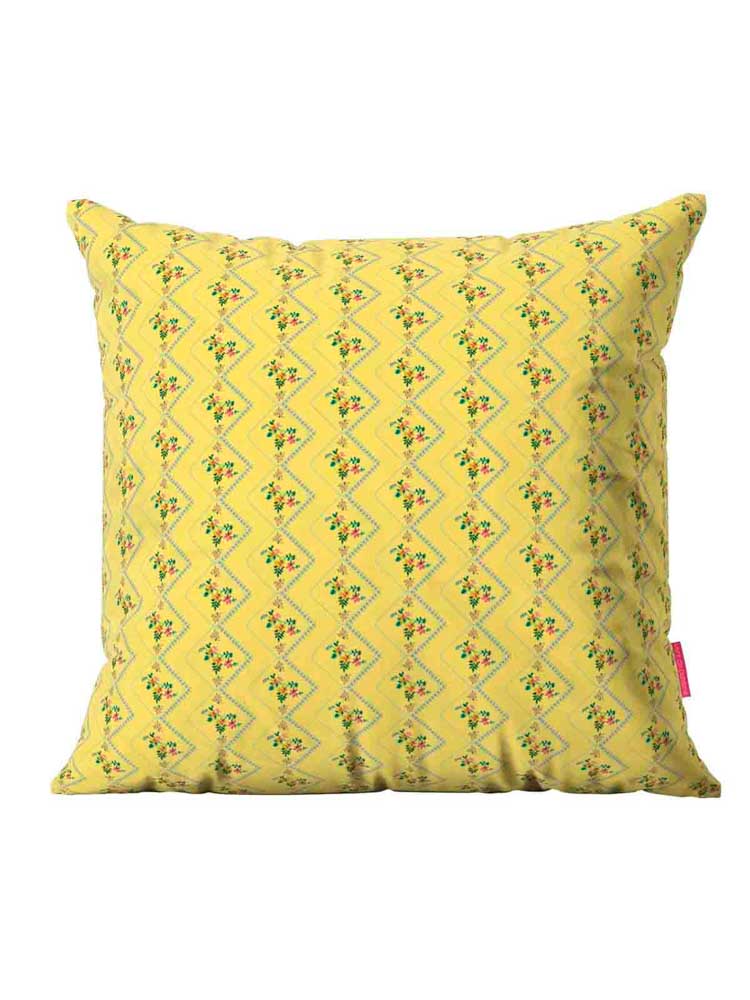
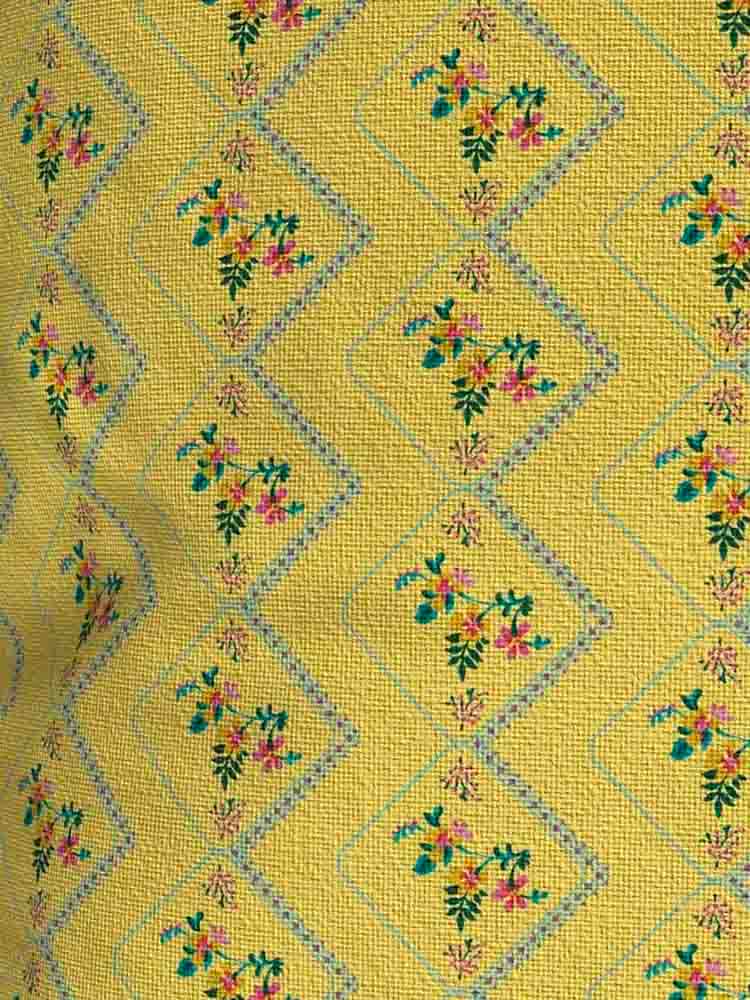
Not in stock
The original price was: DKK400.00.280,00 kr.The current price is: DKK280.00.
OFFER
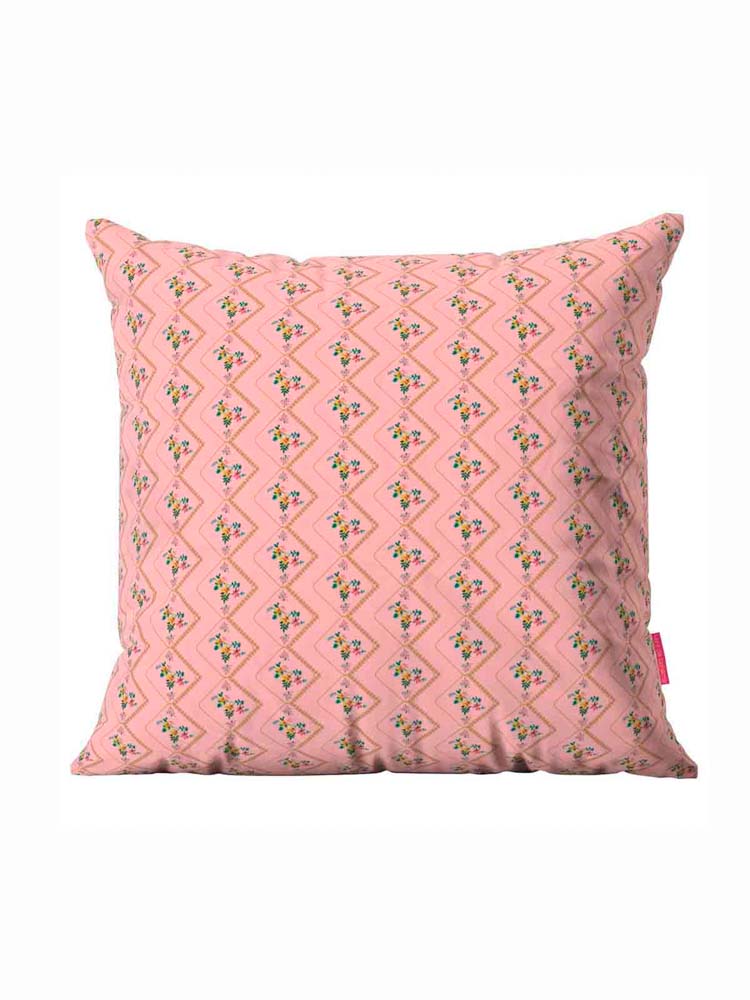
Not in stock
The original price was: DKK400.00.280,00 kr.The current price is: DKK280.00.
OFFER
Preorder
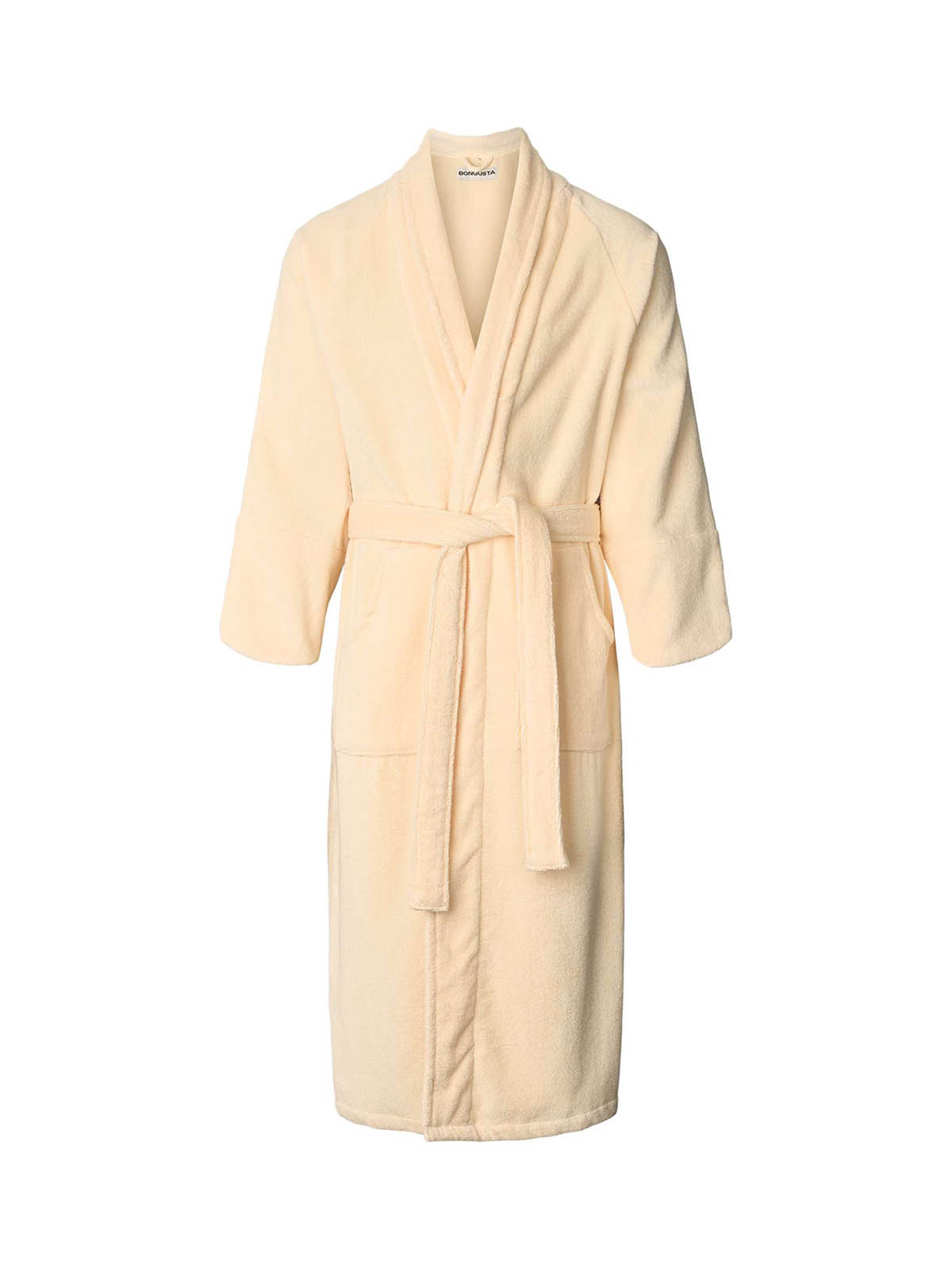

Not in stock
Price range: DKK770.00 to DKK935.00.
This product has several variants. The options can be selected on the product page
OFFER
Preorder
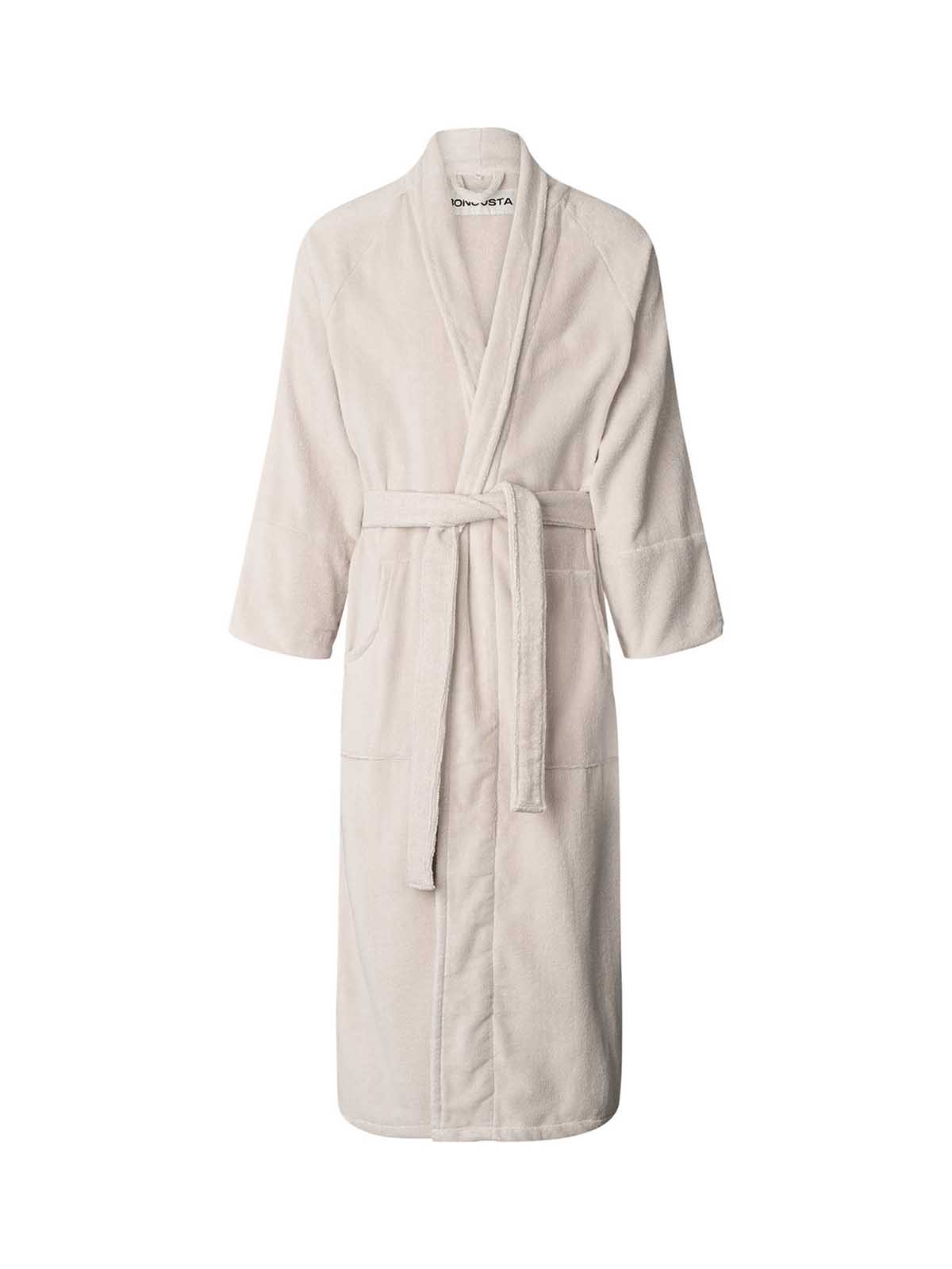
Not in stock
Price range: DKK770.00 to DKK935.00.
This product has several variants. The options can be selected on the product page
OFFER
Preorder
Not in stock
The original price was: DKK1,100.00.770,00 kr.The current price is: DKK770.00.
This product has several variants. The options can be selected on the product page


Not in stock
OFFER
Preorder
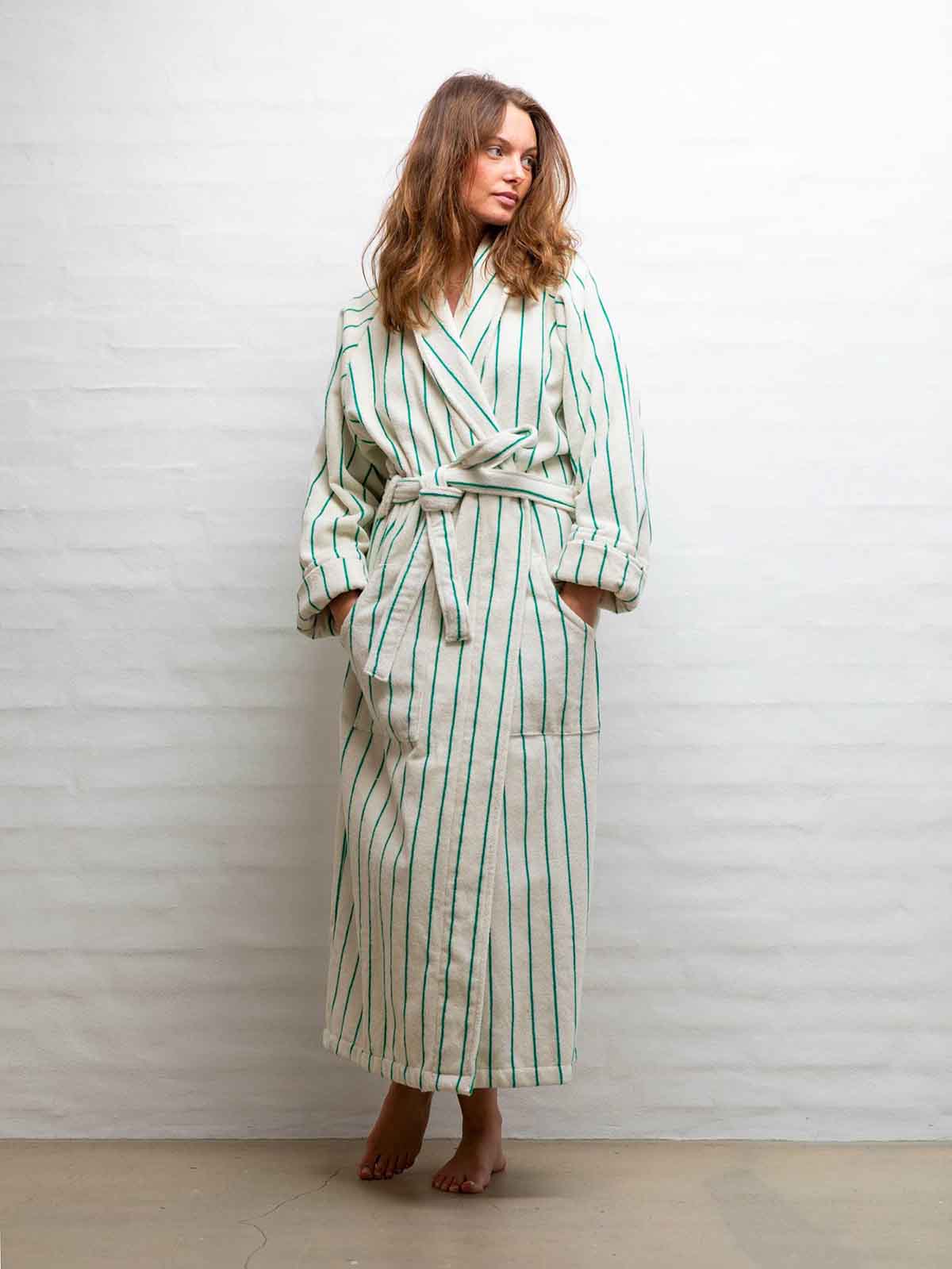
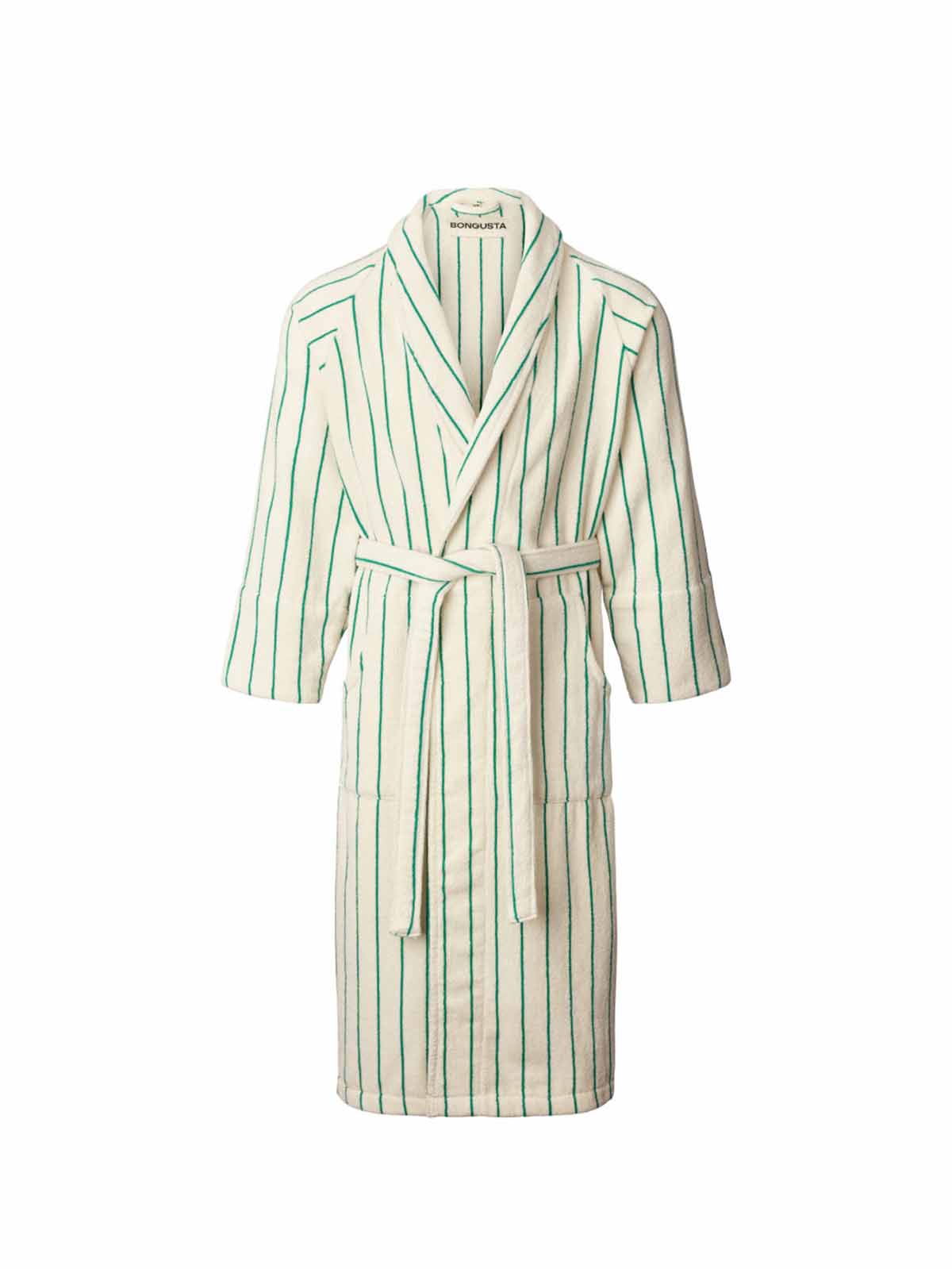
Not in stock
The original price was: DKK1,100.00.770,00 kr.The current price is: DKK770.00.
This product has several variants. The options can be selected on the product page
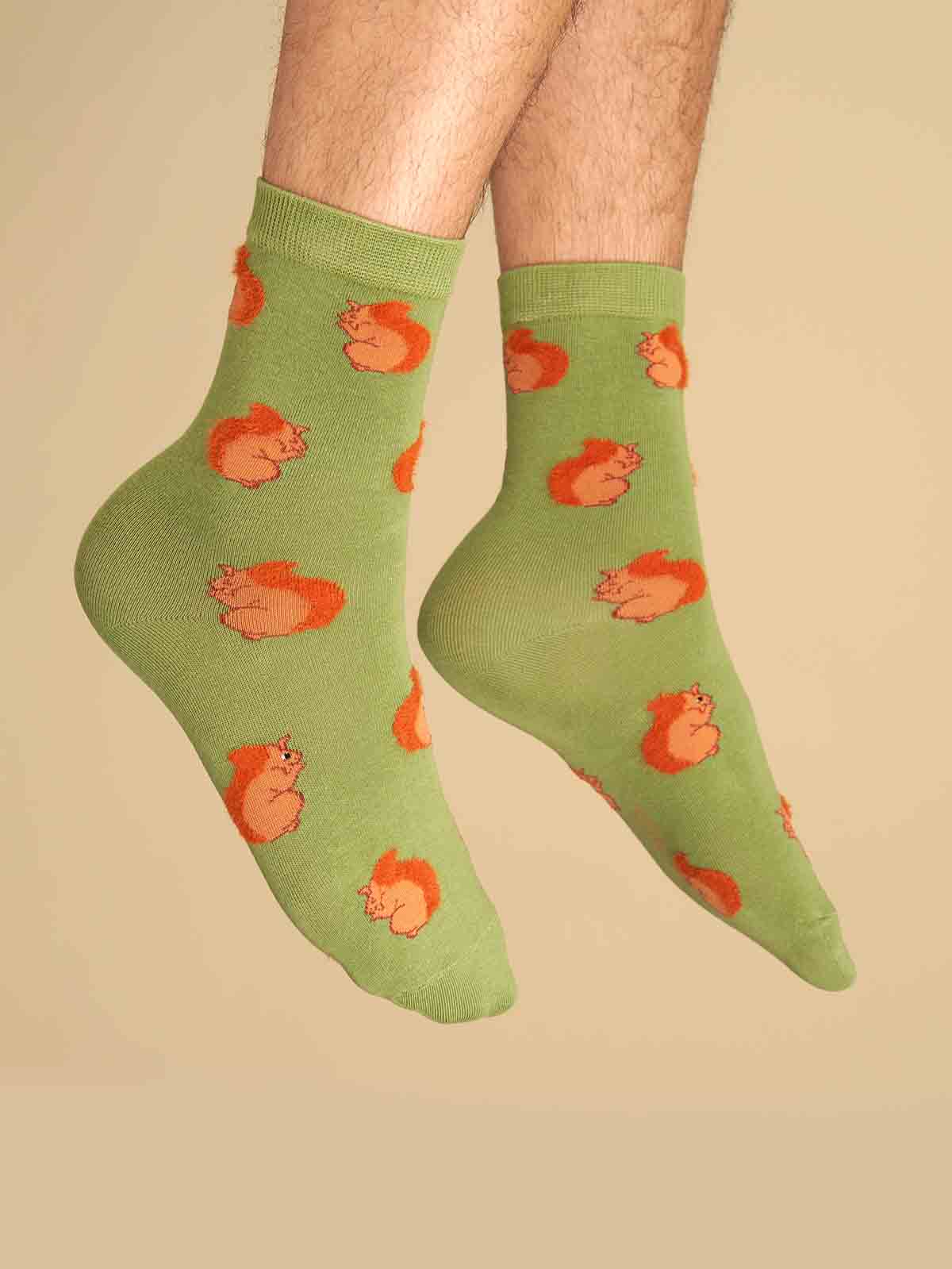
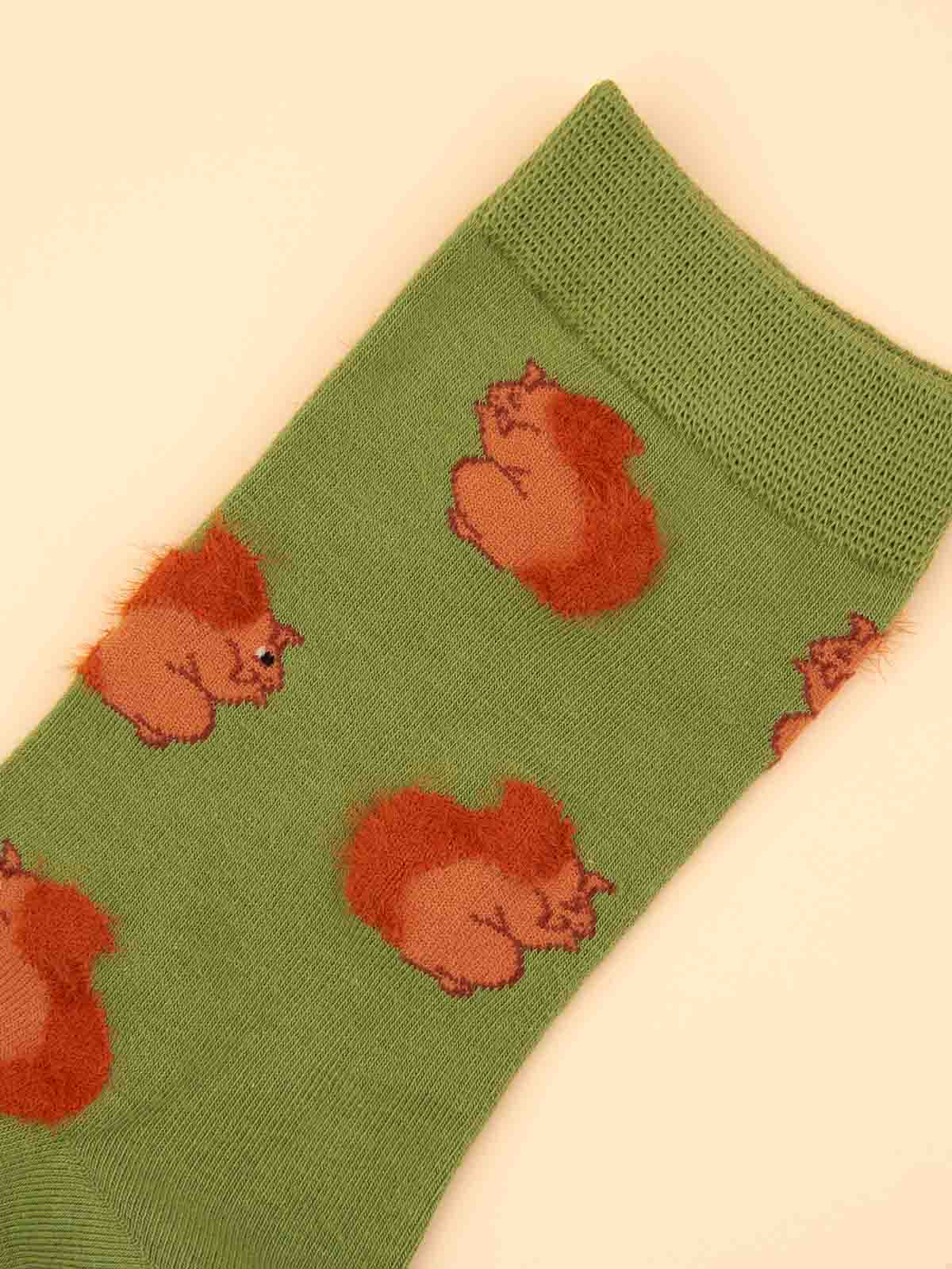
OFFER
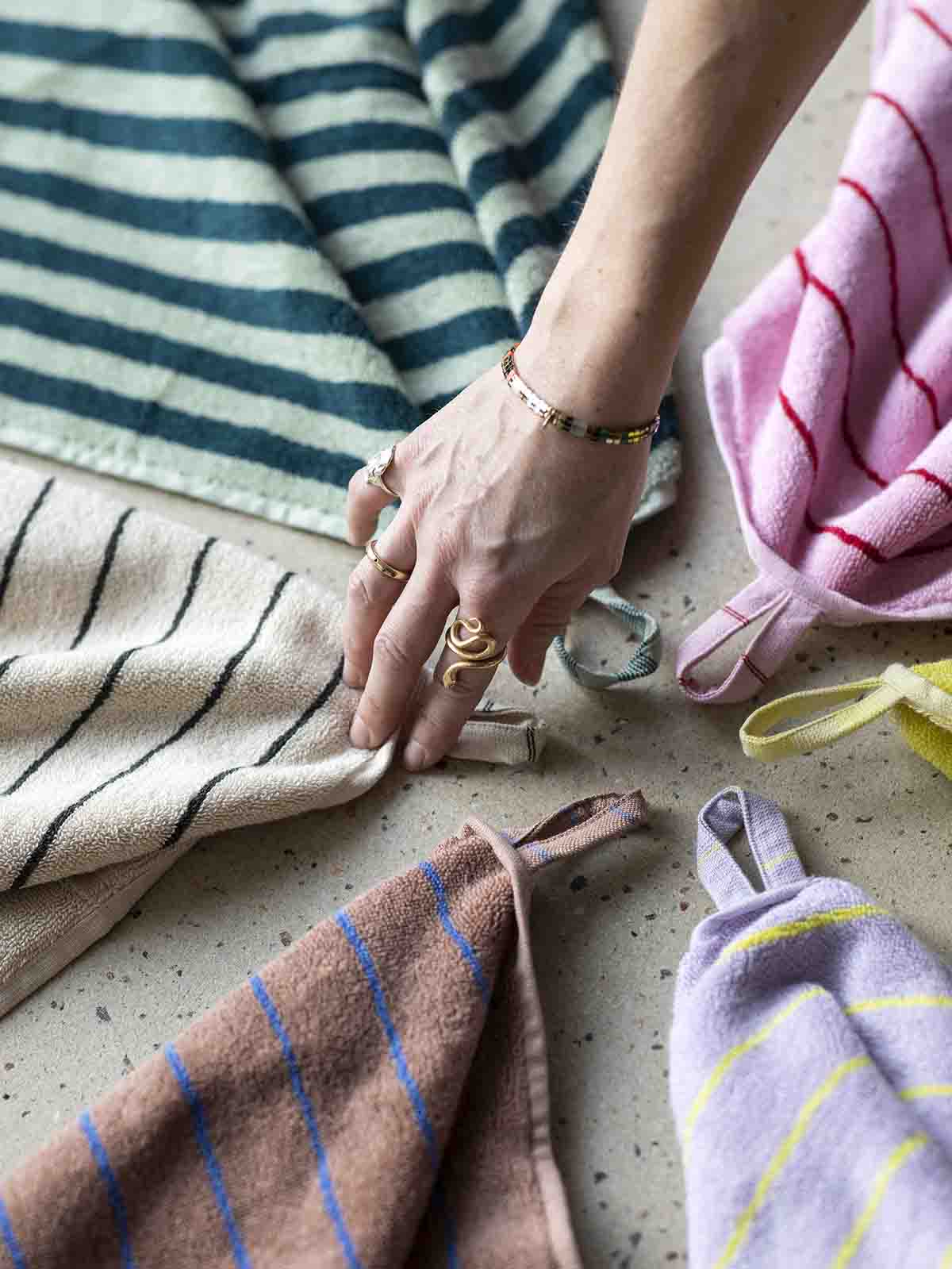

Not in stock
The original price was: DKK90.00.63,00 kr.The current price is: DKK63.00.
This product has several variants. The options can be selected on the product page
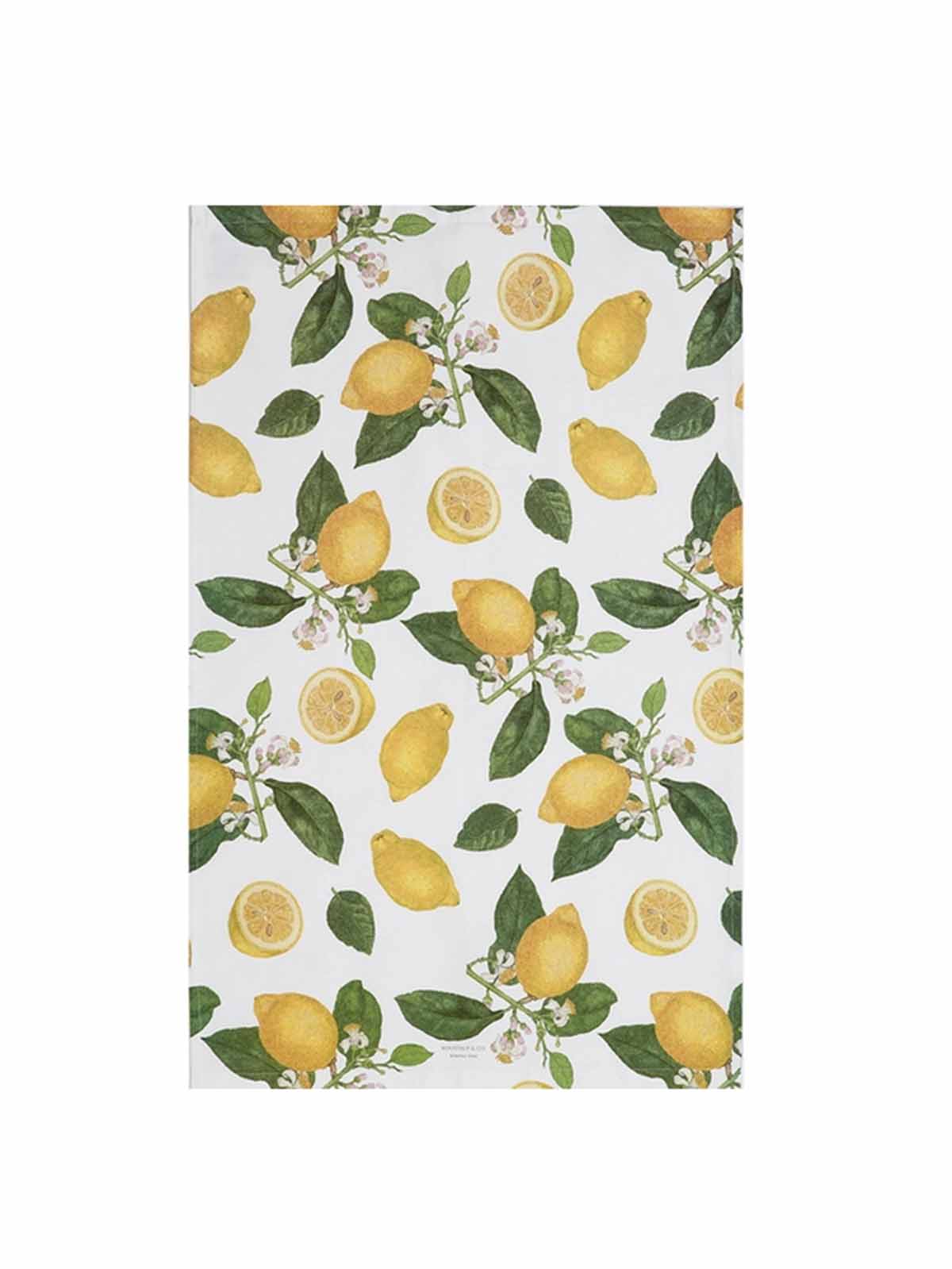
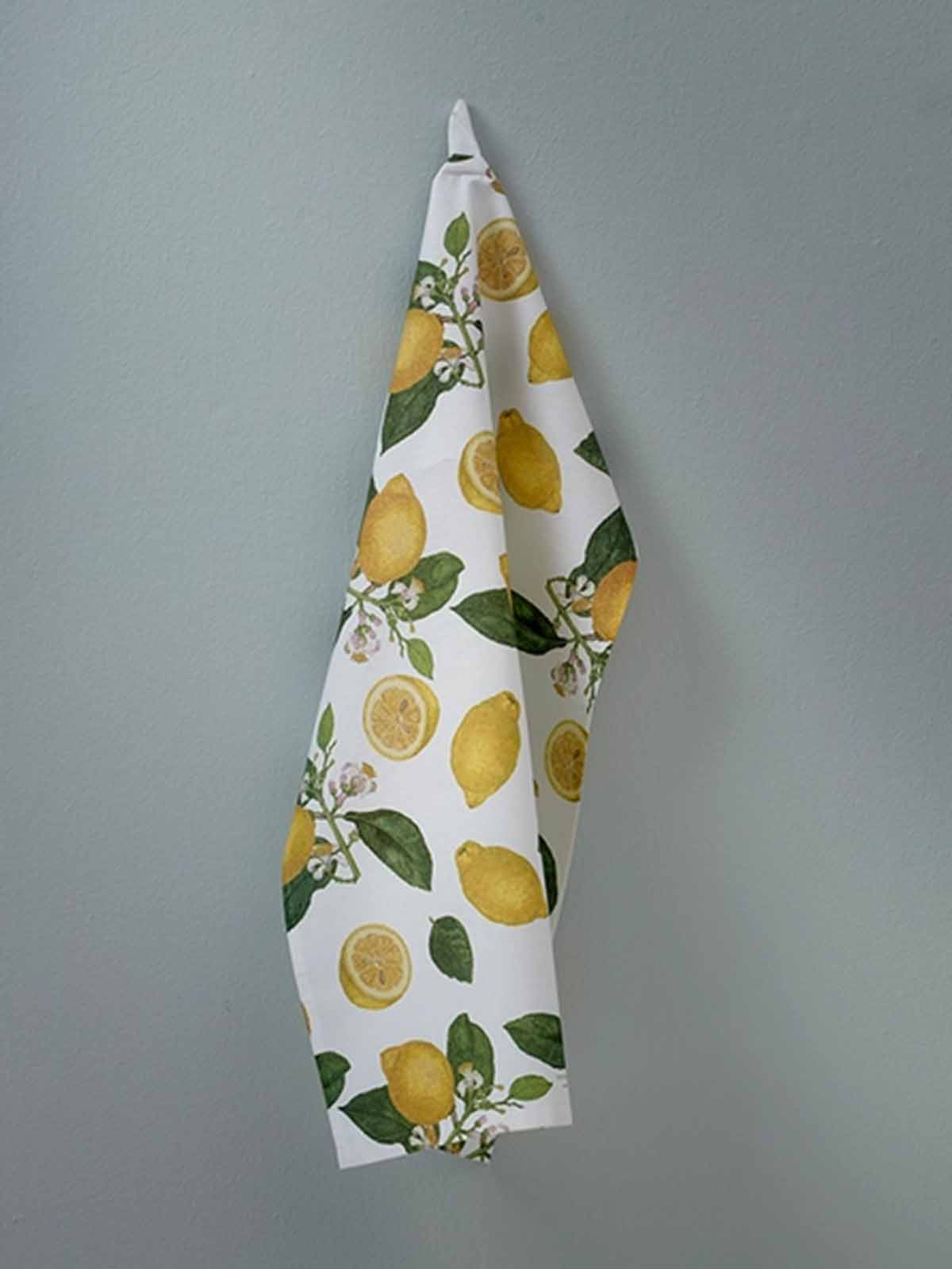
Not in stock
OFFER
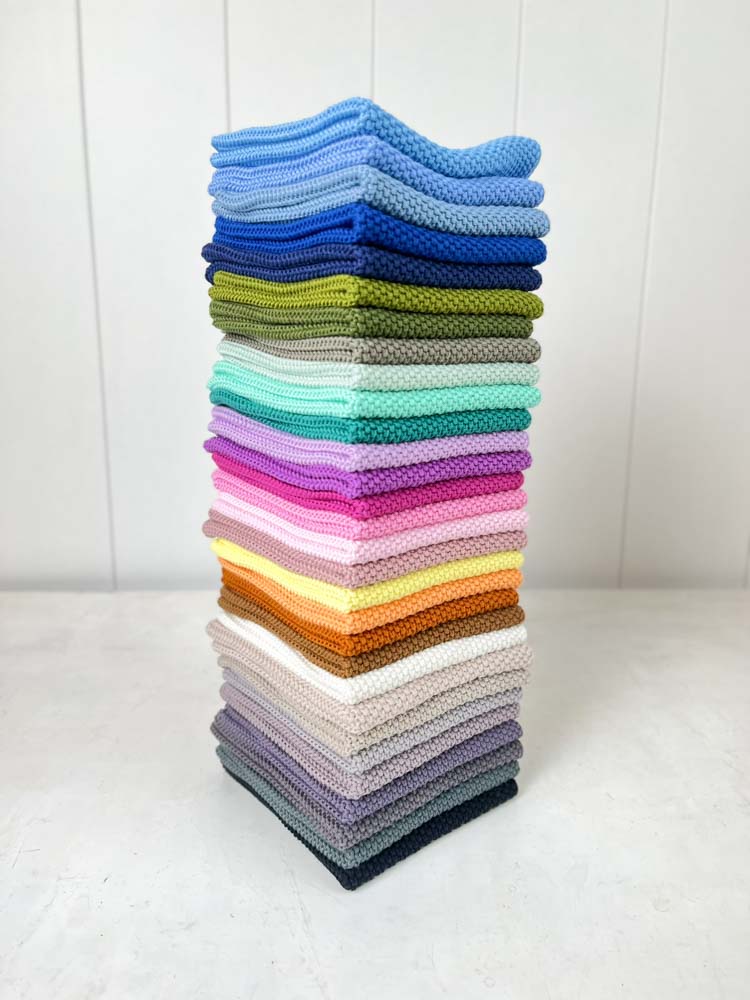
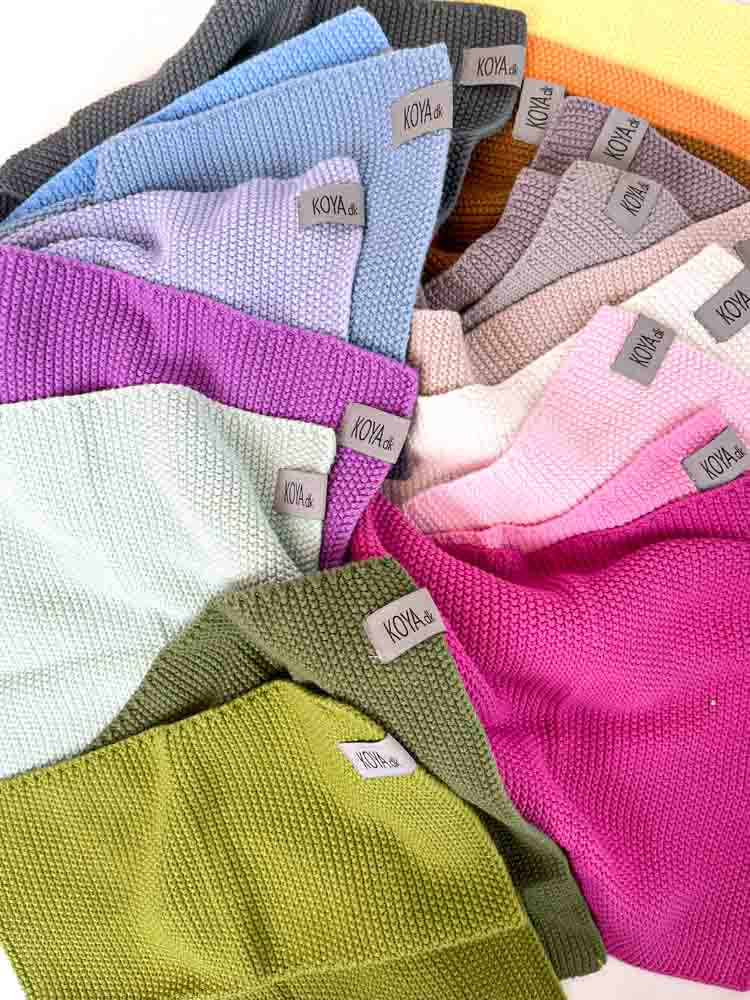
Not in stock
Price range: DKK32.00 to DKK40.00.
This product has several variants. The options can be selected on the product page
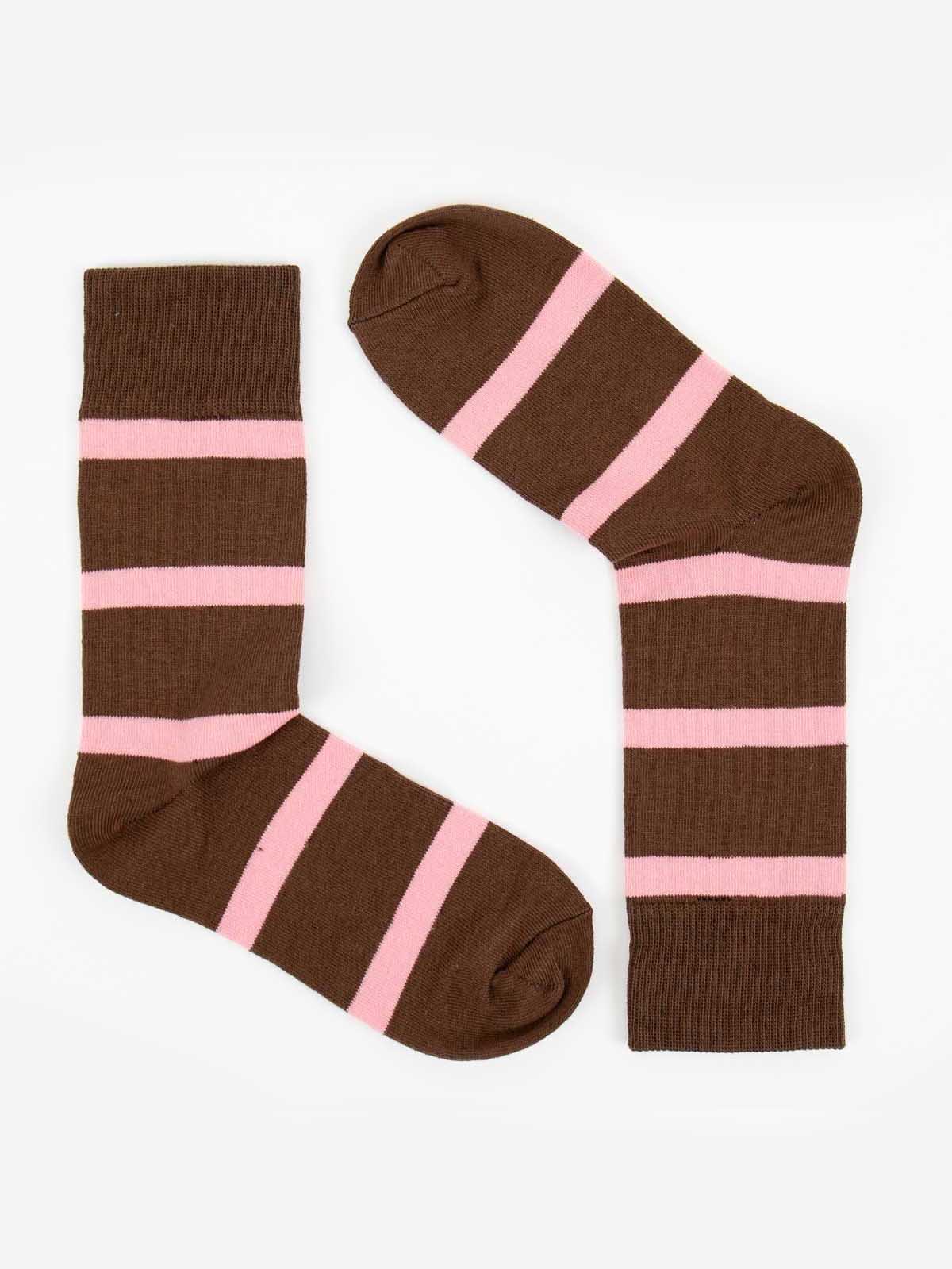
Not in stock
75,00 kr.
This product has several variants. The options can be selected on the product page
OFFER
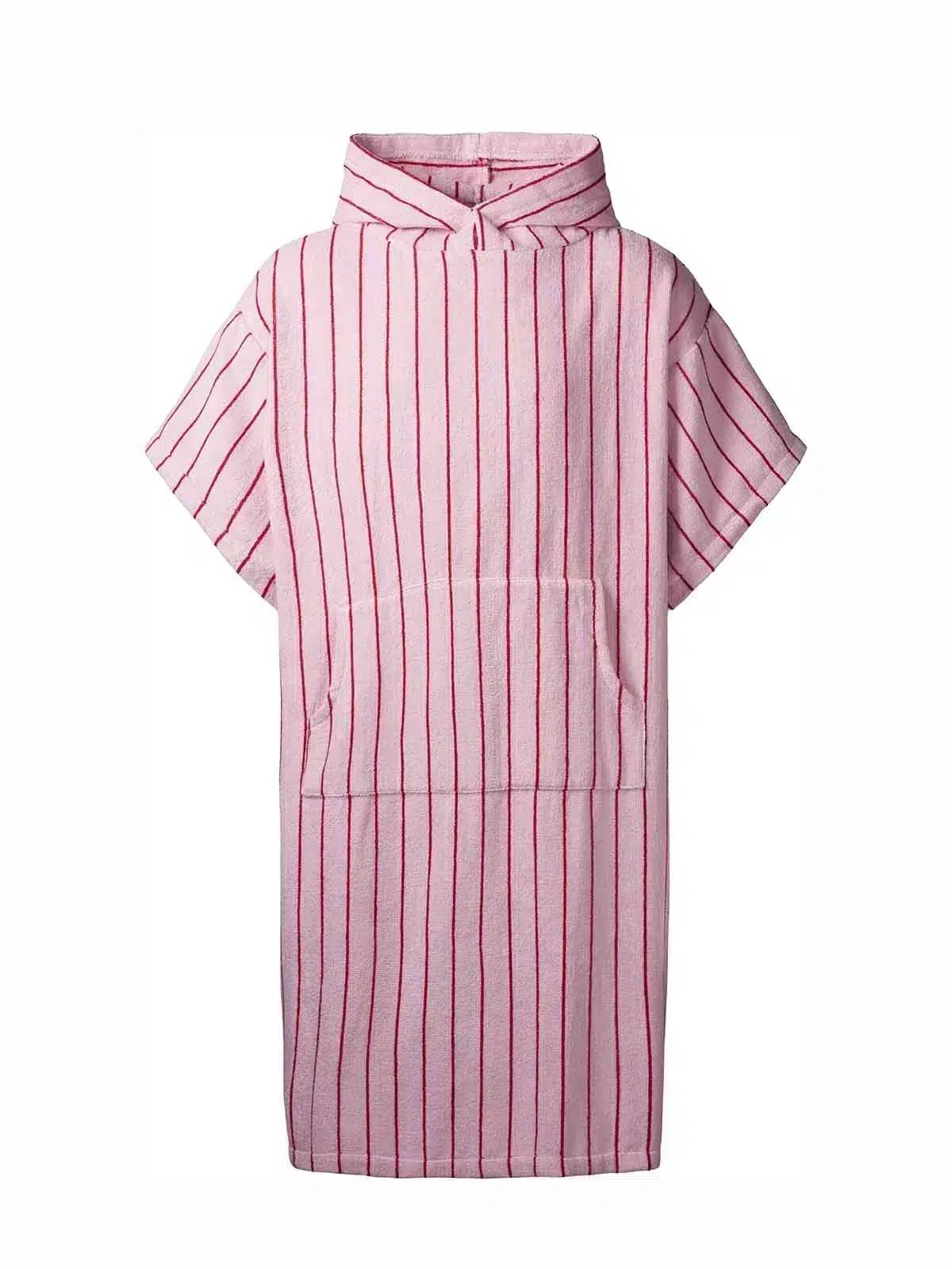
Not in stock
The original price was: DKK950.00.665,00 kr.The current price is: DKK665.00.
This product has several variants. The options can be selected on the product page
OFFER
Preorder
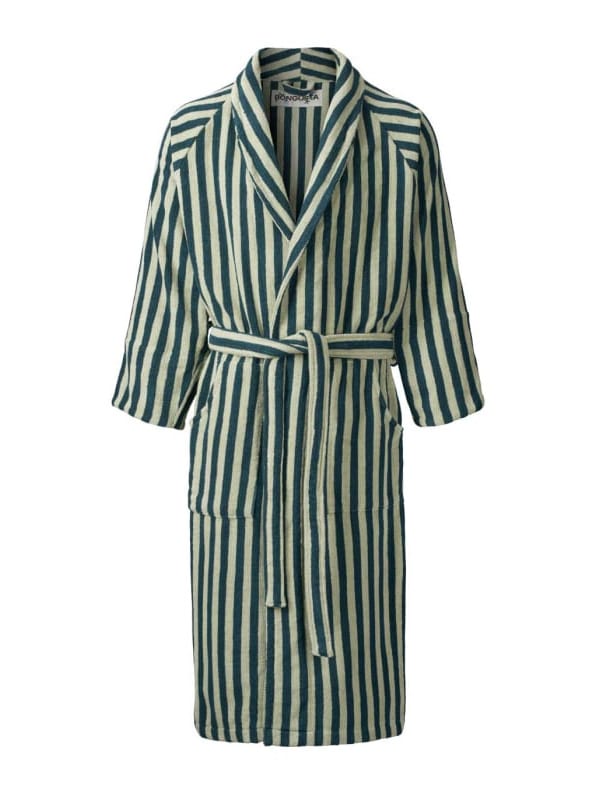

Not in stock
The original price was: DKK1,100.00.770,00 kr.The current price is: DKK770.00.
This product has several variants. The options can be selected on the product page
OFFER
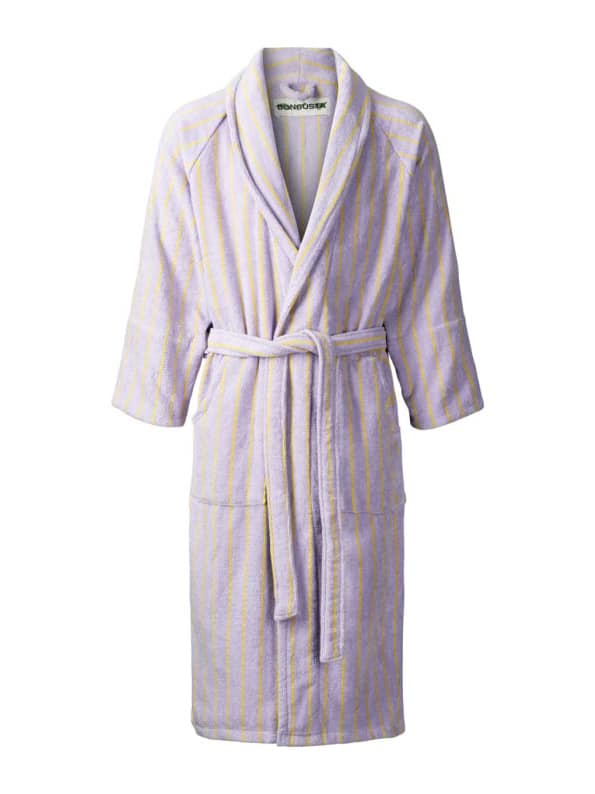
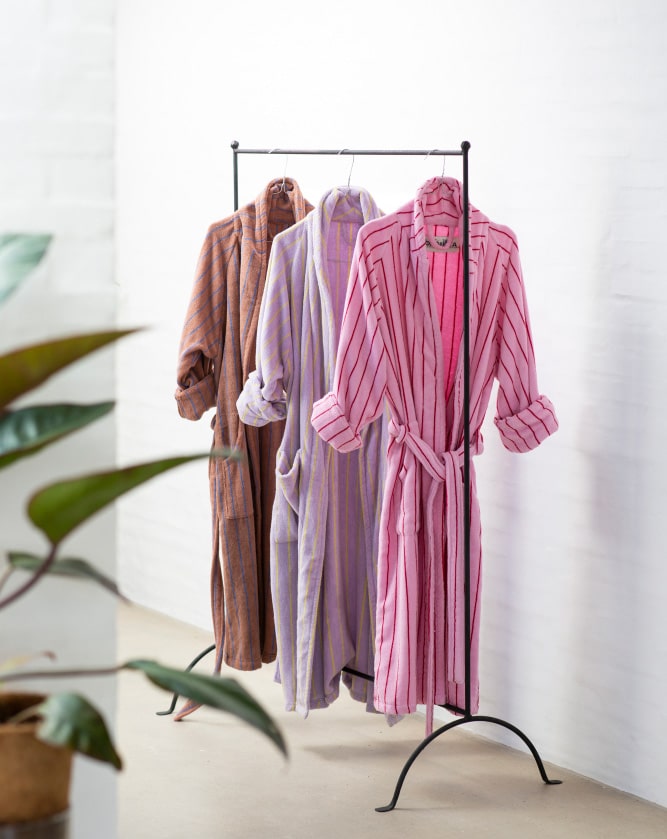
Not in stock
The original price was: DKK1,100.00.770,00 kr.The current price is: DKK770.00.
This product has several variants. The options can be selected on the product page
Why choose organic cotton?
Because organic cotton, rather than traditional cotton, is a choice that benefits both the environment, producers and consumers. Here are the key points that illustrate what makes organic cotton different from the traditional process:
- Environmentally friendly cultivationOrganic cotton is grown without the use of synthetic pesticides and fertilizers, which is gentle on the soil and reduces pollution of waterways. This supports healthier agricultural landscapes and maintains biodiversity.
- Water consumption: Organic cotton often uses rainwater collection and is dependent on natural rainfall patterns, which means significantly lower water consumption compared to traditional cotton cultivation. This method helps conserve water resources and reduces the cotton’s water footprint.
- Working conditions: Organic cotton cultivation often promotes better working conditions and fair trade practices. Minimising the use of hazardous chemicals ensures that farmers and workers are exposed to fewer health risks. Many organic cotton projects also support local communities by ensuring fair wages and contributing to social development.
- Quality and Comfort: Organic cotton is known for its high quality and comfort. Without the use of chemicals in the cultivation and processing process, the fibers remain softer and stronger. This results in products that are soft against the skin and durable over time.
- Sustainability and Accountability: By choosing organic cotton, consumers are supporting a more sustainable and responsible fashion industry. This signals a demand for products that respect the environment and promote a more ethical production chain.
- Reduced Pollution Load: Traditional cotton cultivation is one of the major sources of environmental pollution in the textile industry, primarily due to intensive use of pesticides and chemicals. Organic cotton offers a solution by eliminating these harmful substances, which contributes to less pollution.